Abbotsford, B.C., floods: The community's recovery five years later

A look back at the devastating floods that struck Abbotsford, B.C., in November 2021. We examine the impact on the community, the efforts to rebuild, and the lessons learned for future climate resilience.
You wouldn’t know it by walking through Gary Baar’s dairy farm as it stands today.
Five years ago, it was several feet deep in water. He remembers November 2021 like it was yesterday. It all started with a desperate call from his cousin.
“The pigs were already gone. We went over to rescue the workers," recalls Baar.
It was so much more than a single storm.
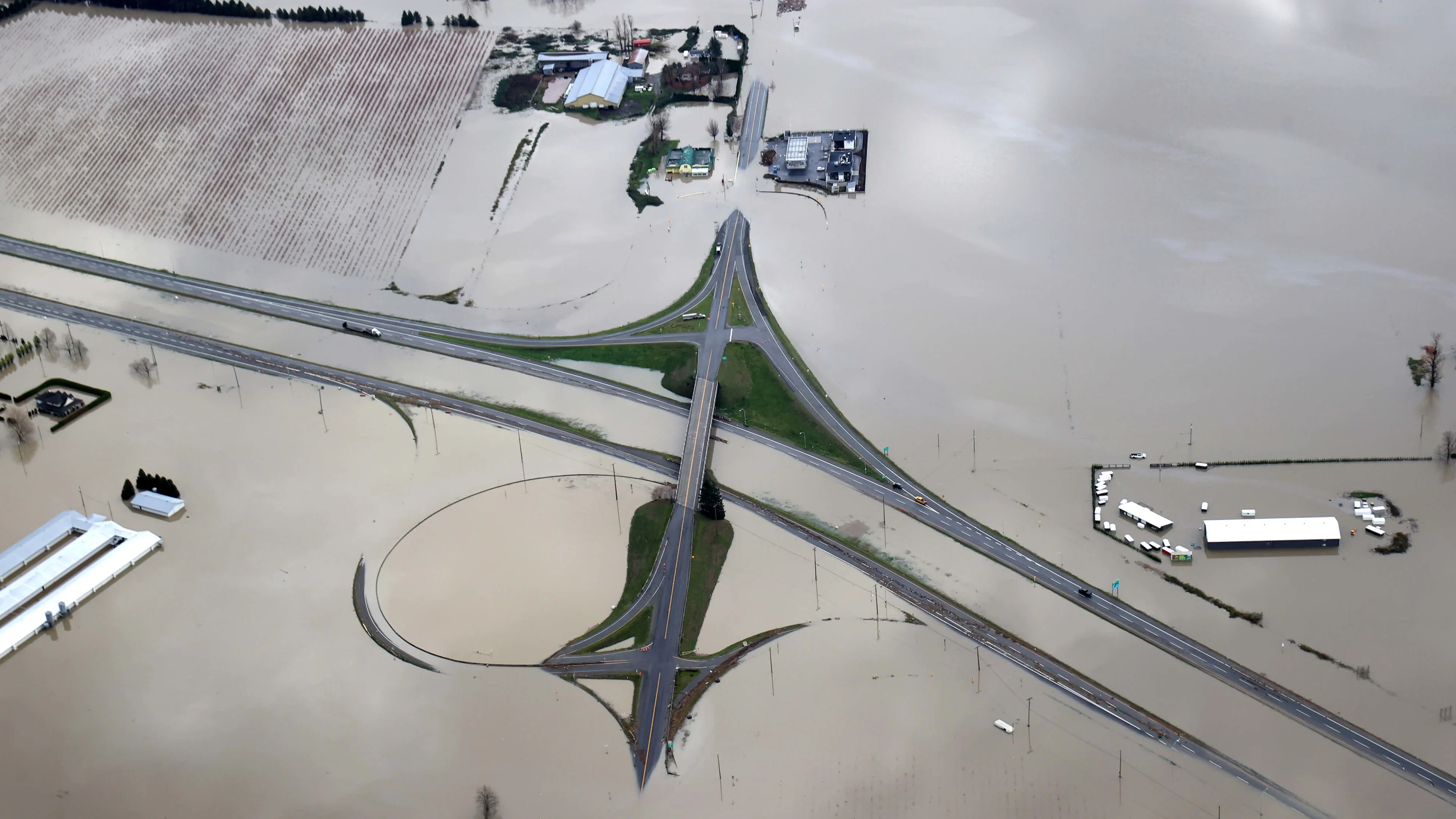
Five years ago, back-to-back atmospheric rivers pounded the Sumas Prairie, B.C. On top of that, record snowmelt rushed down from Washington state. The combination was catastrophic: Dikes surrendered, and hundreds of square kilometres of farmland disappeared under water in a matter of hours.
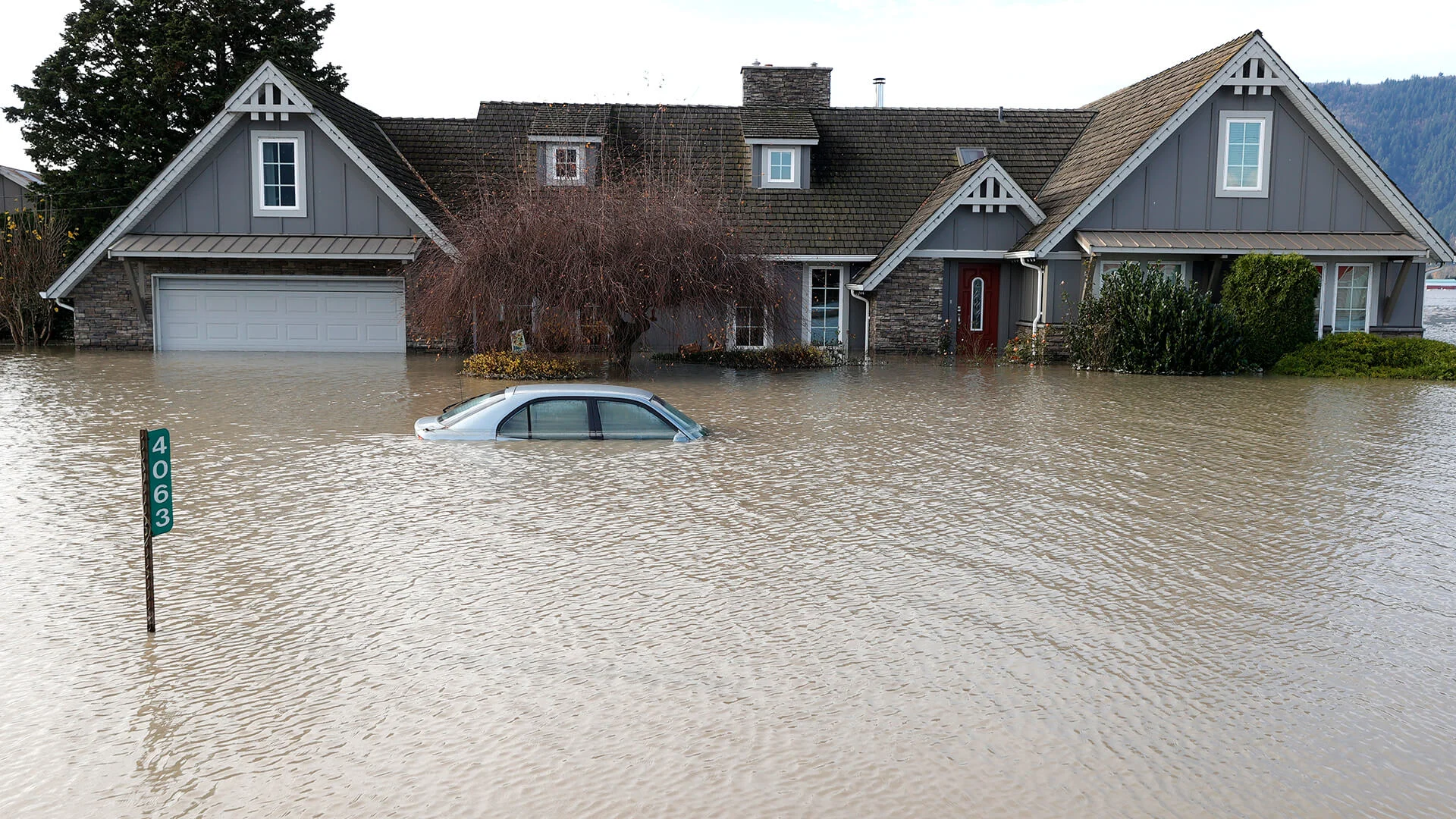
A home and car sit submerged in floodwaters on Nov. 21, 2021, in Abbotsford, B.C. (Justin Sullivan/ Getty Images)
It was a disaster that displaced thousands, but also brought an entire community together.
Baar remembers it started as a sunny day. He hesitated, unsure if he should evacuate his cows. But he decided it was better to be safe than sorry. He was right.
“I was half way through emptying my barn when my neighbour called," said Baar.
He took his trailers onto the road to try and rescue more animals--but quickly realized the road itself was gone.
“It was completely under water," said Baar.

(B.C. Ministry of Transportation)
The destruction left in the wake of the flood was staggering. Five people tragically lost their lives. Highway 1 was completely submerged, severing the Lower Mainland from the rest of Canada. Across the Sumas Prairie, more than 1,100 farms and 15,000 hectares of land were inundated.
Thousands were displaced and more than 600,000 farm animals perished--marking it as the costliest, agricultural disaster in B.C.’s history.
Yet, from one of the darkest hours in B.C.’s history emerged a light no floodwaters could drown. In late 2021, when the pandemic isolation had kept people a world apart, this crisis broke down every wall.
“People came together," said Baar.
Strangers parked along Highway 1 with horse trailers and hot chocolate. Teenagers on jet skis and farmers in aluminum watercraft worked side-by-side. At a time when everyone was told to stay apart, the community refused to let anyone stand alone.
Five year’s later, the barns are rebuilt, the crops are thriving, and the fields are green. But the psychological aftermath lingers for many families here, as every heavy rainfall brings a shadow of doubt--forcing a tough conversation
“Is it worth it?" Baar asks.
But key protections have been built. Major updates to the Barrowtown Pump Station and local dikes now provide vital immediate defences.
Meanwhile, ongoing studies led by University of British Columbia (UBC) researchers and the Semá:th (Sumas First Nation) are re-examining the history of the drained lake-bed--sparking critical discussions around ecological restoration and long-term climate adaptation.
And the unprecedented collaboration among municipal, provincial, federal and First Nations leaders continues to work towards ensuring the hard lessons of 2021 will protect generations to come.
Thumbnail courtesy of Justin Sullivan/Getty Images.