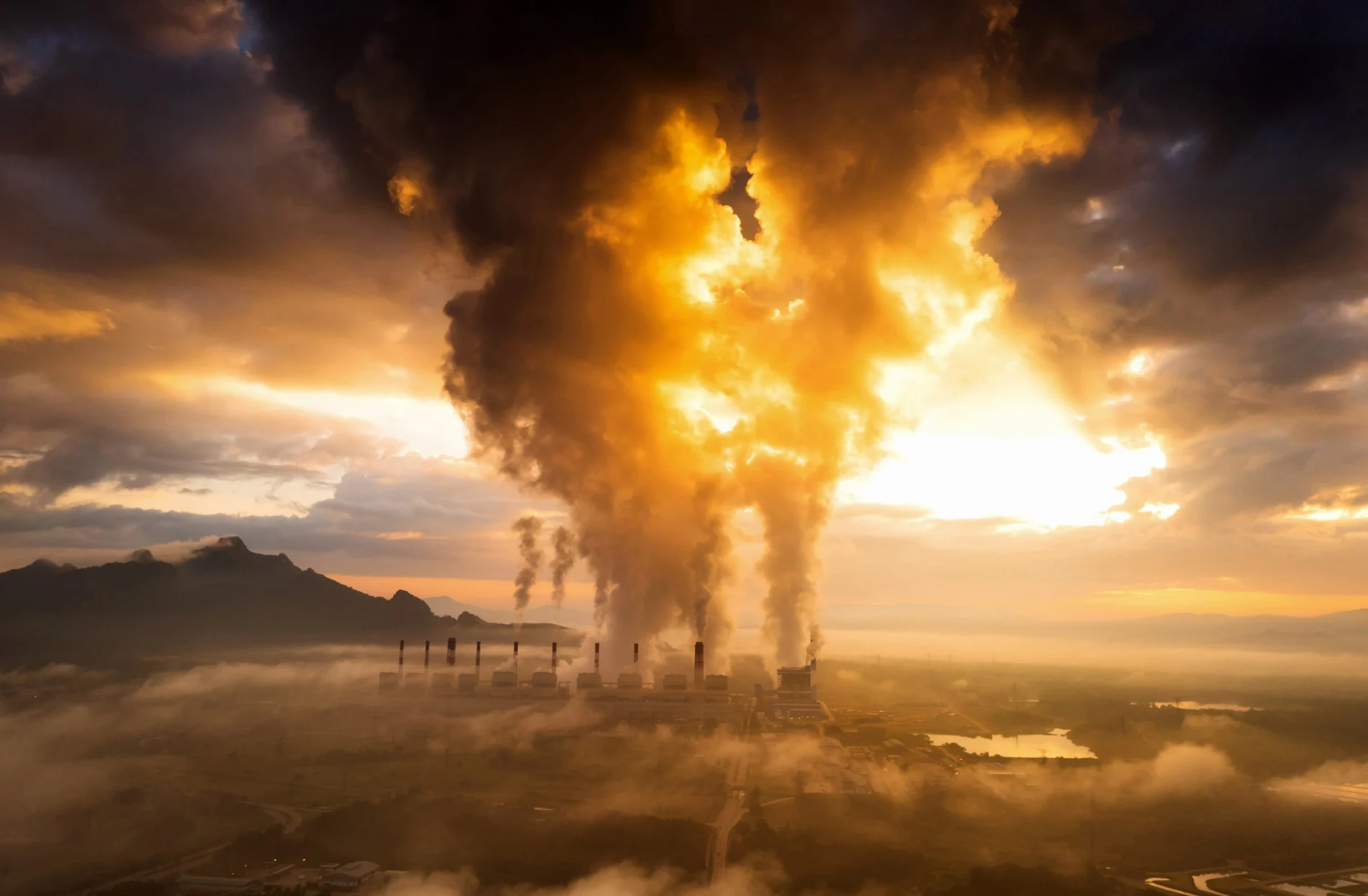
UN retreats from 1.5 C global warming limit and proposes a plan B

Avoiding 1.5 C of warming above pre-industrial levels is now impossible, and a new pathway to limit peak warming and then bring temperatures back down will be needed, according to an annual UN report on global climate action.
The UN's proposed new best-case pathway is to limit global warming to 1.7-1.8 C, and then eventually bring temperatures back to 1.5 C by the end of the 21st century. It's a sobering change in messaging, but not surprising given that the UN had released a related report this summer already suggesting a possible overshoot of 1.5 C.
The plan B message comes from the UN Environment Programme's Emissions Gap Report, which studies the impacts of countries' climate policies and then projects how much warming they could cause. These projections then guide negotiations at the annual UN climate conference in November, which will be in Turkey this year.
(buzbuzzer/ E+/ Getty Images)
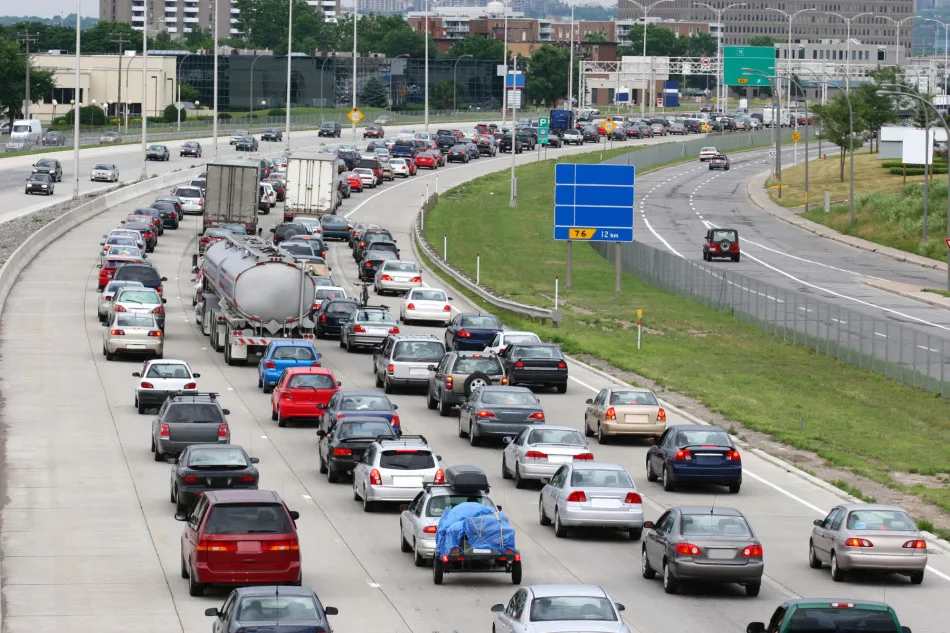
The reports have shown steady, albeit inadequate improvement in temperature projections since the global 2015 Paris Agreement was signed. This year's report, however, includes the impacts of the new U.S. administration under President Donald Trump.
"The U.S.A. no longer has a net-zero emissions goal or target," said Anne Olhoff, director of the UNEP Copenhagen Climate Centre, a research institute.
"It's the second largest emitter globally, so it does affect global projections as well."
Limiting 'overshoot'
Global warming averages have temporarily surpassed the 1.5 C limit several times over the past few years.
The year 2024 was the hottest year on record, reaching 1.55 C above pre-industrial levels. Scientists widely expect 2027 to break that record, another sign that the 1.5 C limit could be permanently crossed.
(Максим Шмаков/ iStock/ Getty Images Plus)
"It is not time to throw in the towel and give up — to the contrary. This is about how to find our way back, and finding our way back as quickly as possible with as low an overshoot as possible," said Inger Andersen, the executive director of UNEP.
The 1.5 C goal was especially precious for low-lying coastal and island nations, who face an existential threat from rising sea levels. Past 1.5 C of warming, those countries may have to relocate large portions of their populations, or move their entire countries away. These countries have vehemently pushed back on abandoning the 1.5 C goal, and said that the world must fulfill its obligations under the Paris treaty.
"1.5 C must remain the North Star, and overshoot cannot become an excuse for further inaction," the Alliance of Small Island States said in September.
What's the new pathway?
The UNEP's report says that warming could be limited to 1.7-1.8 C under a best-case scenario. To achieve this, global greenhouse gas emissions will have to be reduced 18 per cent by 2030. They will further have to come down 45 per cent by 2035 and 69 per cent by 2040.
The plan B pathway requires countries to pledge stronger emissions targets than they already have — and to deliver on net-zero promises.

(milehightraveler/ E+/ Getty Images)
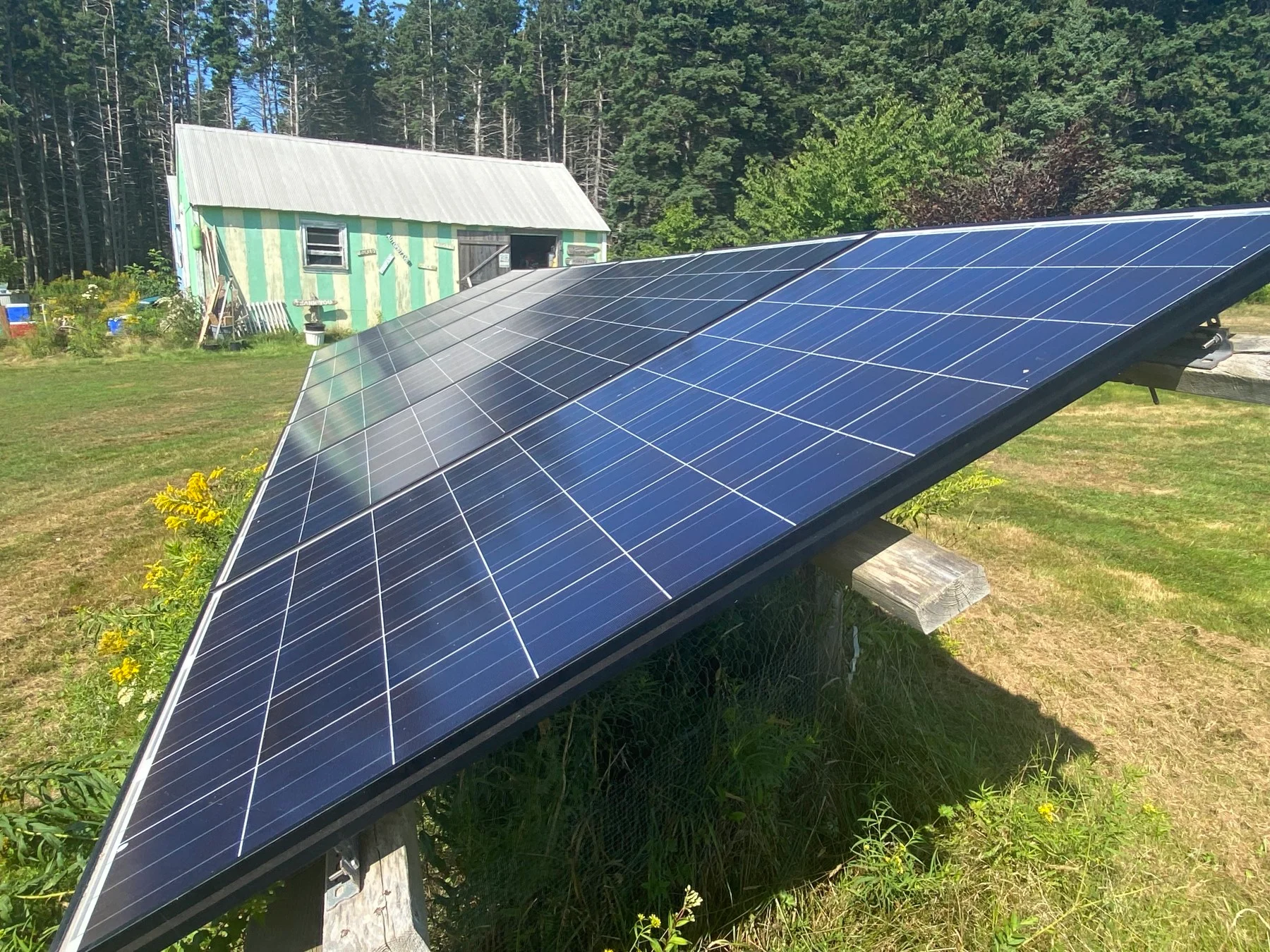
There are some positive signs. Renewables like solar and wind power are growing fast and the world's clean electricity goals could be reached if trends continue.
"We see that renewable electricity capacity expansion has been three times higher than expected at the time of the adoption of the Paris Agreement, and we also see that solar [panel] capacity increase has been seven times higher than expected. We need to expand that," Olhoff said.
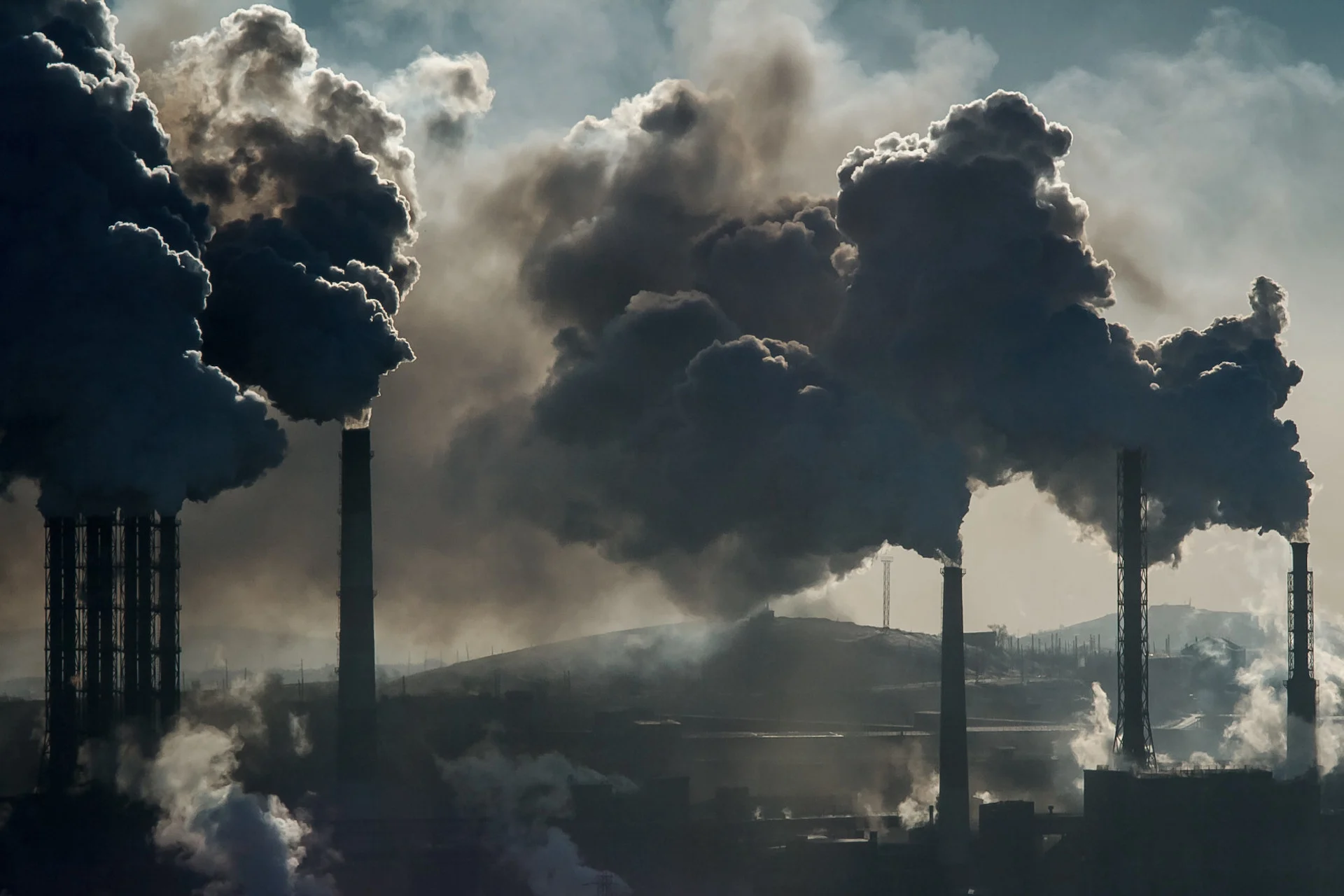
On the other hand, emissions from the burning of fossil fuels have headed in the wrong direction. The report says that the share of oil in global energy will have to come down 30 per cent and gas by 35 per cent by 2040 to stay on the UN's new pathway.
Current plans not enough, UN says
Despite those daunting challenges, Andersen stressed that the new pathway "is the only way that we can get back to a semblance of a reality that is still largely manageable without major impacts."
The report looked at various levels of climate actions, from the least to most optimistic: the current policies countries have in place, their proposed climate plans that they have submitted to the UN, and all of the pledges they have made (their proposed plans plus other net-zero promises made by governments).
(Nathan Coleman/The Weather Network)
Both current and proposed climate plans are not enough, the report says. If current policies continue without countries making improvements, global warming could reach 2.8 C. In the most optimistic scenario, where countries fulfill all of their pledges, warming would still reach 2.1 C.
And the U.S. under Trump is a major sticking point. The withdrawal of the U.S. from the Paris Agreement and its abandonment of climate action could, on its own, lead to 0.1 C of additional warming.
"Climate impacts will not shield anyone, and that we are seeing and will continue to see impacts on every nation on the planet, including the U.S.," Andersen said.
Thumbnail courtesy of NirutiStock/ iStock/ Getty Images Plus.
The story was originally written by Inayat Singh and published for CBC News.
