'It feels like summer is different': Study says cities seeing more summer days

New research from the University of British Columbia (UBC) reveals that summers are getting longer, at a faster rate, in cities such as Sydney, Australia. Data shows summers have grown by as much as 30-60 days in some places since the 1960s
While many would take full advantage of more days of summer weather, ideally with sunshine, you can have too much of a good thing.
When it comes to more summer-like days, that is a symptom of a much larger issue at play: Climate change. According to a new study from the University of British Columbia (UBC), many cities are increasingly seeing more days that are considered summer weather as a result of the uptick in temperatures.
DON'T MISS: Visit our complete guide to Summer 2026 for an in-depth look at the Summer Forecast, tips to plan for it and much more!
However, to reach that conclusion, researchers didn’t use the calendar definition of summer for the northern and southern hemispheres, but rather the weather that was documented.
Using climate data from 1961-1990, their results arose from the period of days each year when temperatures rose above what was historically normal for a given location during the warmest part of the year, according to the study.
(Pexels)
Ted Scott, lead author on the study and a PhD student in UBC’s department of geography, wanted to determine if extended summers were "measurable effects" instead of just human perception, he said.
"It feels like summer is different. It feels like it's different in a few different ways," said Scott, in a recent interview with The Weather Network.
Summer comes with more than just time outdoors
The study, published in the Environmental Research Letters journal, also outlines a new way of measuring cumulative heat that builds up over a summer, combining temperature and time.
The average summer between the tropics and the polar circles expanded to about six days longer per decade.
(Unsplash)
According to the analysis, summer temperatures in Sydney, Australia, now last about 130 days, up considerably from 80 days in 1990. That added an average of 15 days per decade.
As much as Canadians love their summer, there is certainly a downside to a warming trend. Scott says with the warmth and sunshine comes heat waves, drought and wildfires, among other events.
SEE ALSO: Canada heat waves in 2025 tied to human-driven climate change
"We love summer temperatures, and I understand that sentiment. Summer is the time when we get to enjoy ourselves outside, and we tend to have pretty stable weather. Maybe we get thunderstorms, but at least that is a time we enjoy the outdoors," said Scott.
(Unsplash)
"Especially here in Canada, the forest fire season is really seeming, in our short time that we've been paying really close attention to it, to be getting longer. [It] seems to be getting more intense," said Scott.
Extended summers mean more impacts to infrastructure
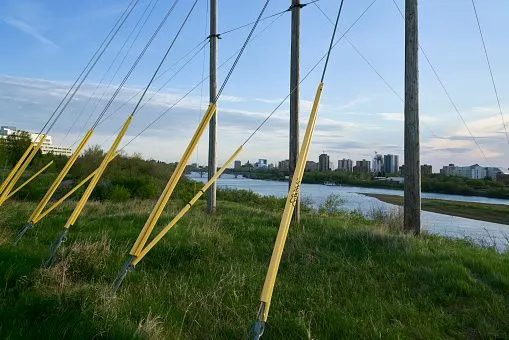
As a result of more summer days, more negative impacts to infrastructure such as public health, water supply and hydro, among others, can be expected. Many of them are utilized heavily around the beginning of the warmest season.
Even if there wasn't an uptick in summer days, summertime can be a particularly hard time on our water supply--whether it's due to longer showers to stay cool or hydrating our lawns. And when you have a lack of precipitation, like B.C. has suffered through recently, it can only exacerbate the issue.
(Getty Images/Chinaface/2279123823-170667a)
Scott resides in the Pacific Northwest, so he knows too well of the infrastructure impacts from the weather.
"If the summer temperatures start earlier and the seasonal change is really abrupt, we could potentially get a really fast snowmelt. And if that happens really quickly, well, we can get flooding, which we observed, even this winter to early springtime in the Pacific Northwest," said Scott.
A faster snowmelt and spring flooding aren't the only downfalls of days with more summer weather. Hydro will certainly take a hit from further days with hotter temperatures.
"If we're getting less relief from hot days in the summer, the energy demand for cooling is going to rise. And there are regions in Canada [where] many people don't have air conditioning. It's not the norm," said Scott.
"If we're going to start seeing more and longer spans of heat, we're going to need to be able to cool people to maintain human health and comfort."
(Unsplash)
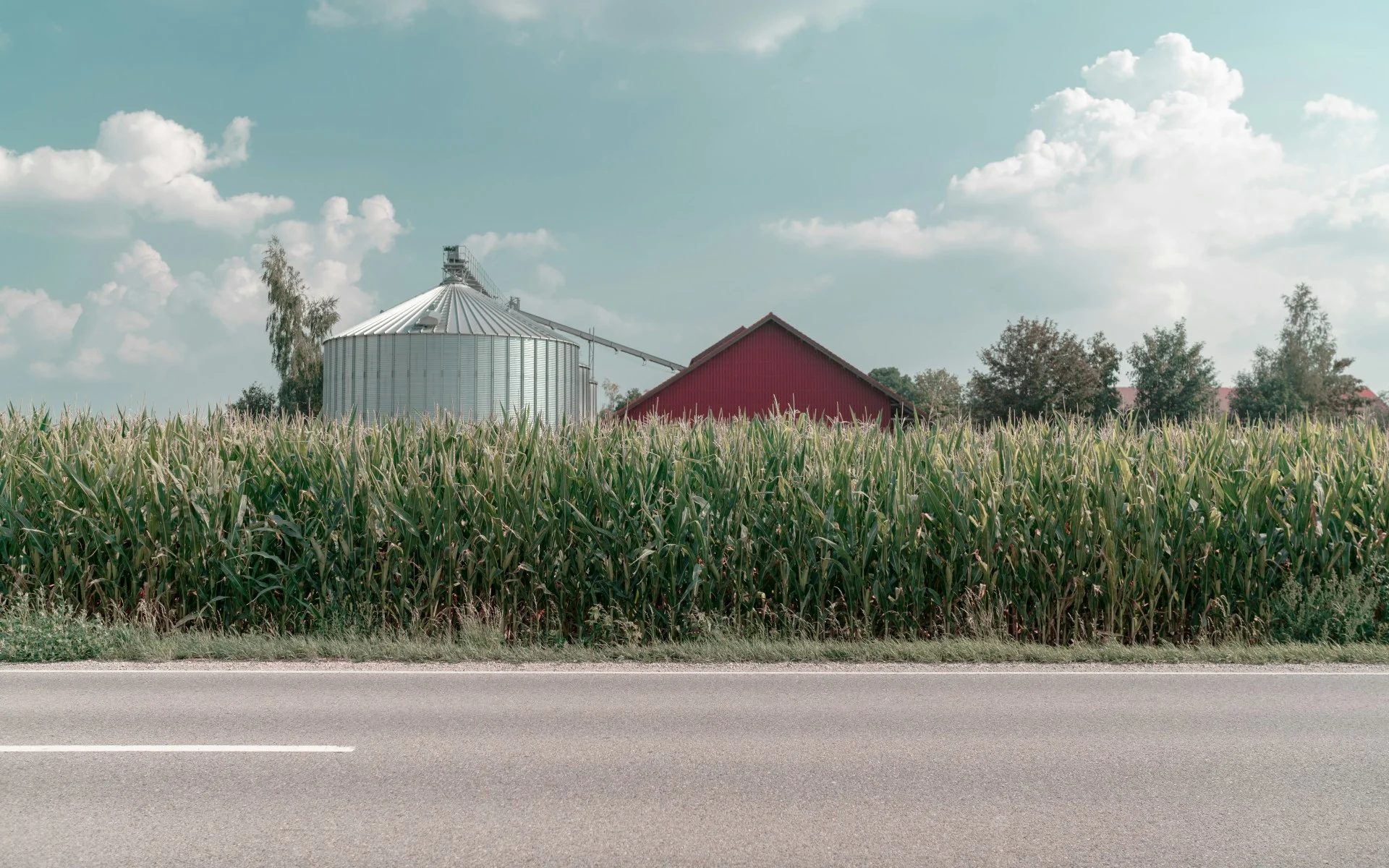
The other negative aspect to consider is the agricultural industry, facing numerous, economic losses due to escalating heat and drought events.
With more summer days being recorded, farmers may be forced to begin their first crop-planting earlier in the year as a result of when temperatures start to climb, Scott noted.
"If that happens really early in the season, the daylight hours are not shifting, so they might be planting at a time when there's actually a really low number of hours of daylight," said Scott. "Also, the pollinators that are needed to help these crops grow and pollinate them may not be active, yet."
Coastal regions among the fastest-warming
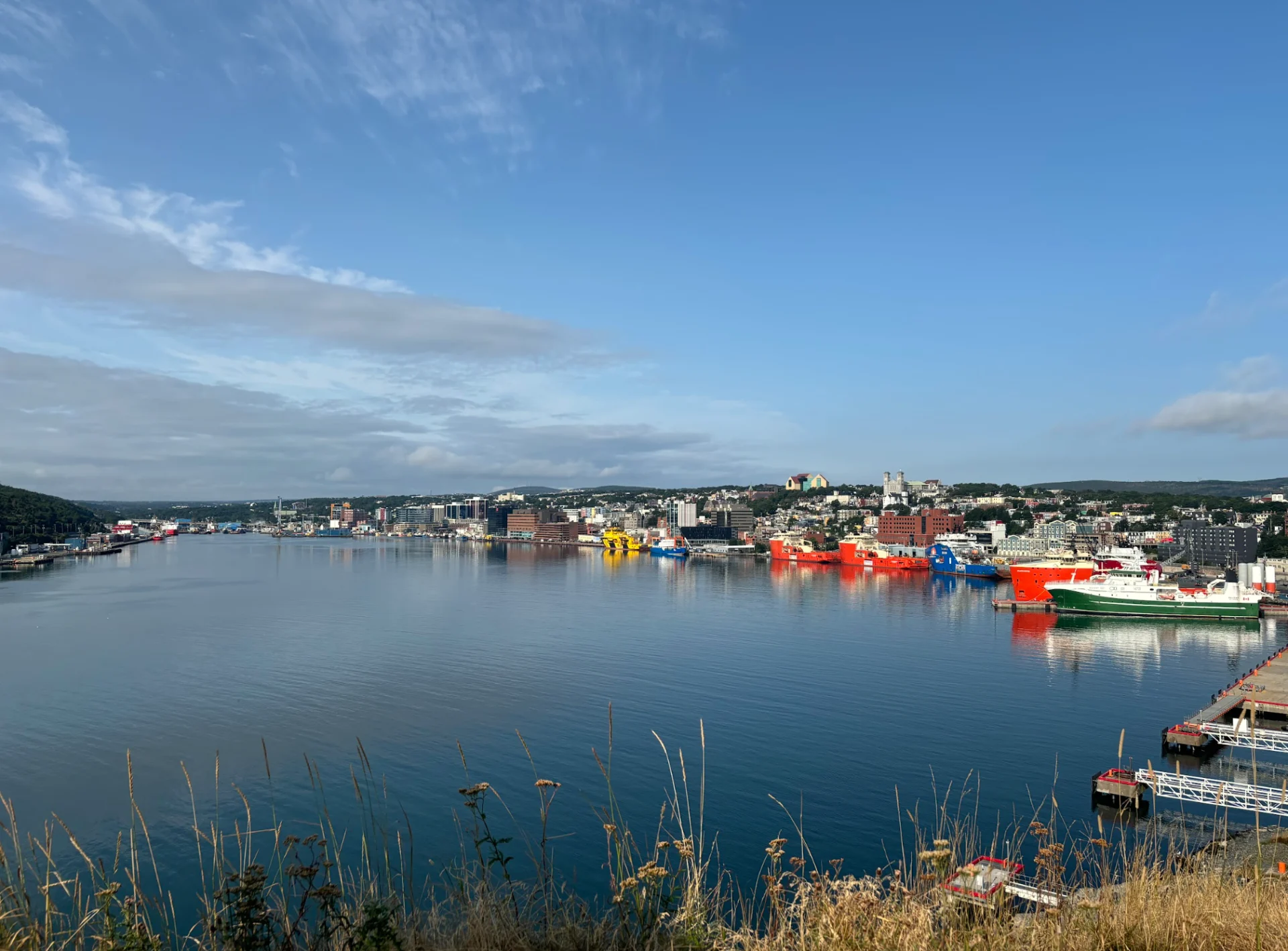
It isn't just inland locales that are experiencing a warming trend of summer days, coastal regions are affected, too. And, they are actually heating up the fastest, Scott said.
"When we think of coastal areas, we think of them as being somewhat insulated or somewhat immune to some of climate's effects other than sea level change because of the moderating, temperature effect of the ocean being nearby," said Scott.
St. John's, N.L. (Nathan Coleman/The Weather Network)
With the increasing number of heat events inland, the temptation may be to move to coastal regions to find cooler weather, but that won't offer much reprieve anyway, and it isn't a good idea to begin with--due to the risk of sea level rise as of climate change.
"If we're still seeing the same trends, we have to be thinking carefully about human migration to the coasts, and how we need to prepare, because people are still going to want to do that. But they're still going to encounter these same changes," said Scott.
"We need to be really smart about saying, 'OK, we're seeing increased migration to these coastal cities. We're not going to allow for building development in areas that are at risk of flooding and dangers that we can expect due to climate change,'" said Scott. "That is really just throwing those people in harm's way."
