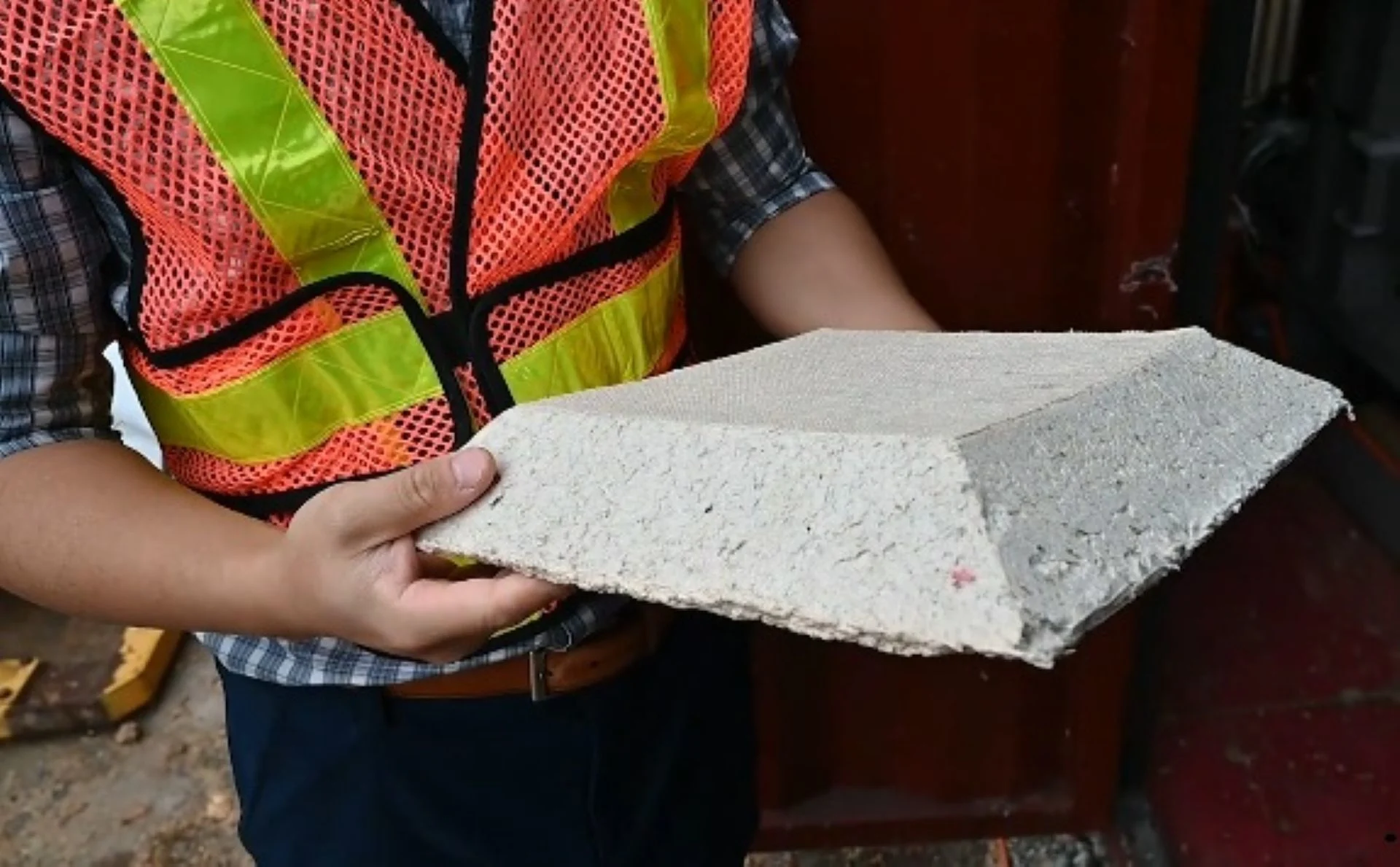
Eco-friendly solution to plastic foam rooted in new B.C. project

A B.C. pilot project is taking everyday wood waste and turning it into a reusable, green alternative for Styrofoam
Every year, millions of tonnes of plastic foam packaging end up in landfills, taking hundreds of years to break down.
But, here in British Columbia, a breakthrough made from our own backyard is changing plastic packaging forever.
A new pilot project in Vancouver, B.C., is transforming forestry waste--residuals from spruce, pine, and fir trees--into a lightweight, biodegradable alternative to Styrofoam.
"[We] make sure it's all safe to use, easy and [there are] no concerns [of it] going into the environment at the end-of-service life," said Yeling Zhu, co-founder and CFO of DicinFoam.
Material that would otherwise be left behind as potential wildfire fuel or burned on site is now being harvested for a second life.
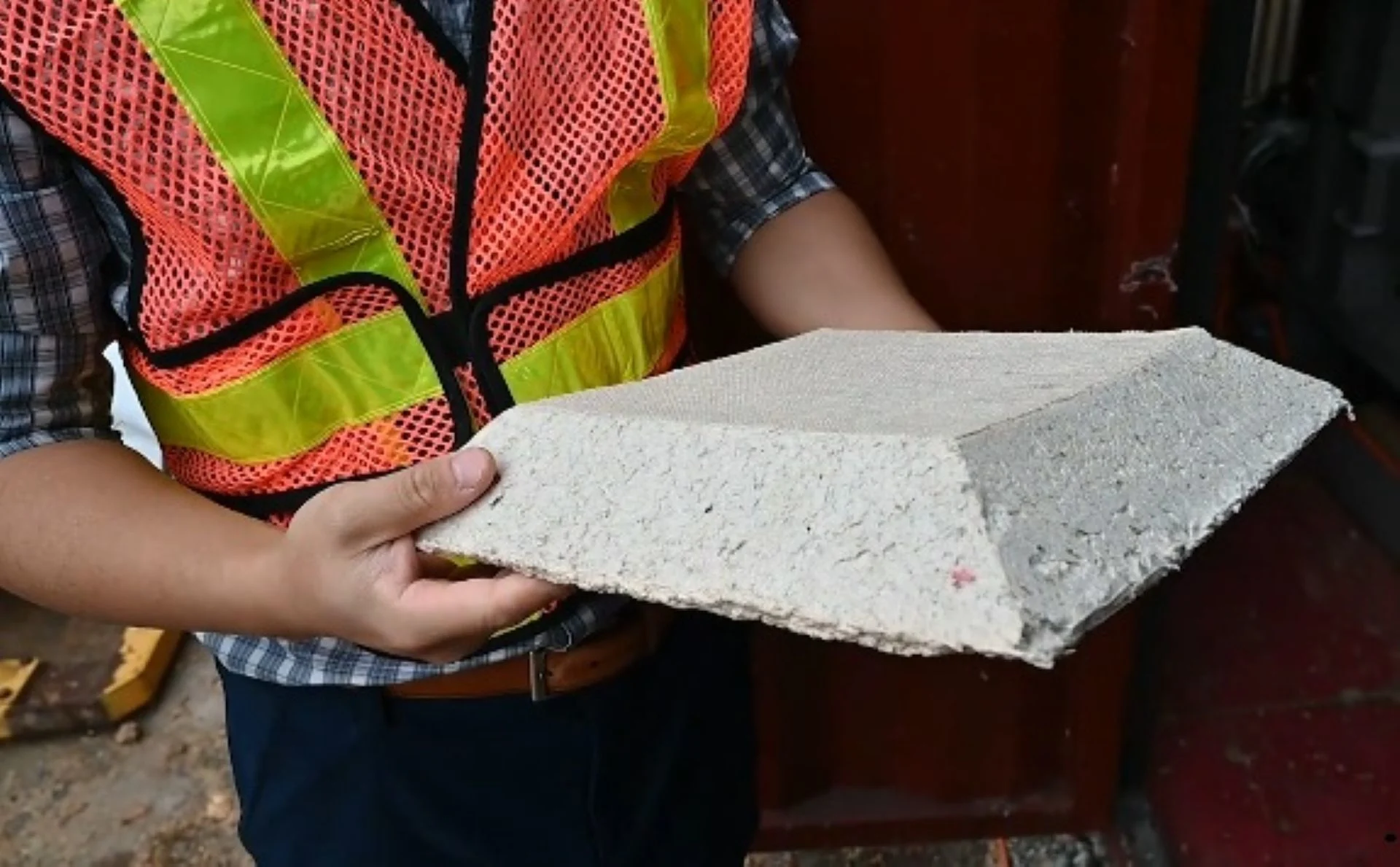
*DicinFoam is a B.C.-based, bio-focused materials company developing innovative applications for forestry byproducts. (Mia Gordon/The Weather Network)
The pilot project was developed through a partnership between the University of British Columbia (UBC) and the Wet'suwet'en First Nation, known as DicinFoam.
The result is a foam strong enough for proactive packaging and building insulation, but unlike conventional plastic, it can safely decompose in your own backyard.
Right now, DicinFoam is in its pilot stages, but the project has big goals, including opening up at 15,000-tonne plant on Vancouver Island.
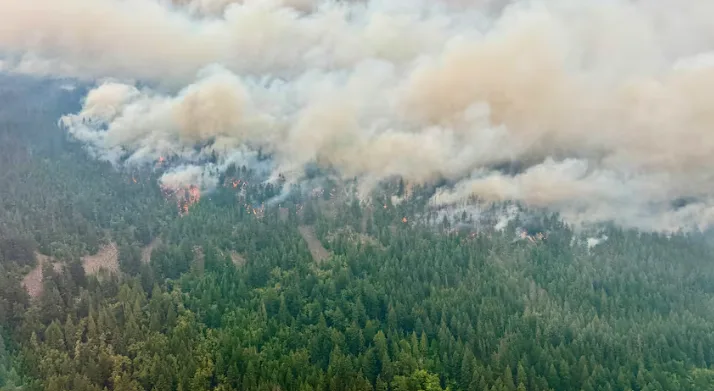
(BC Wildfire Service/X)
It’s a made-in-B.C. solution that tackles not one but two major challenges: Reducing wildfire hazards and forestry waste, while also cutting down on the global plastic pollution crisis.
It is proof that the future of sustainable innovation might just be rooted in our own trees.
