Climate change affecting algae in N.W.T.'s Great Bear Lake, study says

The algae population in the N.W.T.'s Great Bear Lake has changed significantly since the turn of the century due to climate change, a new study suggests.
But one of the co-authors says more research is needed to figure out what it means for the creatures who eat the algae and for the food chain at large.
The study, published this month in the Proceedings of the National Academy of Sciences (PNAS) journal, says the number of ice-free days and rising air temperatures have contributed to a "rapid algal community restructuring" in large northern lakes such as Great Bear.
“There'll be winners and losers here,” said John Smol, a biology professor at Queen's University and co-director of the Paleoecological Environmental Assessment and Research Lab (PEARL).
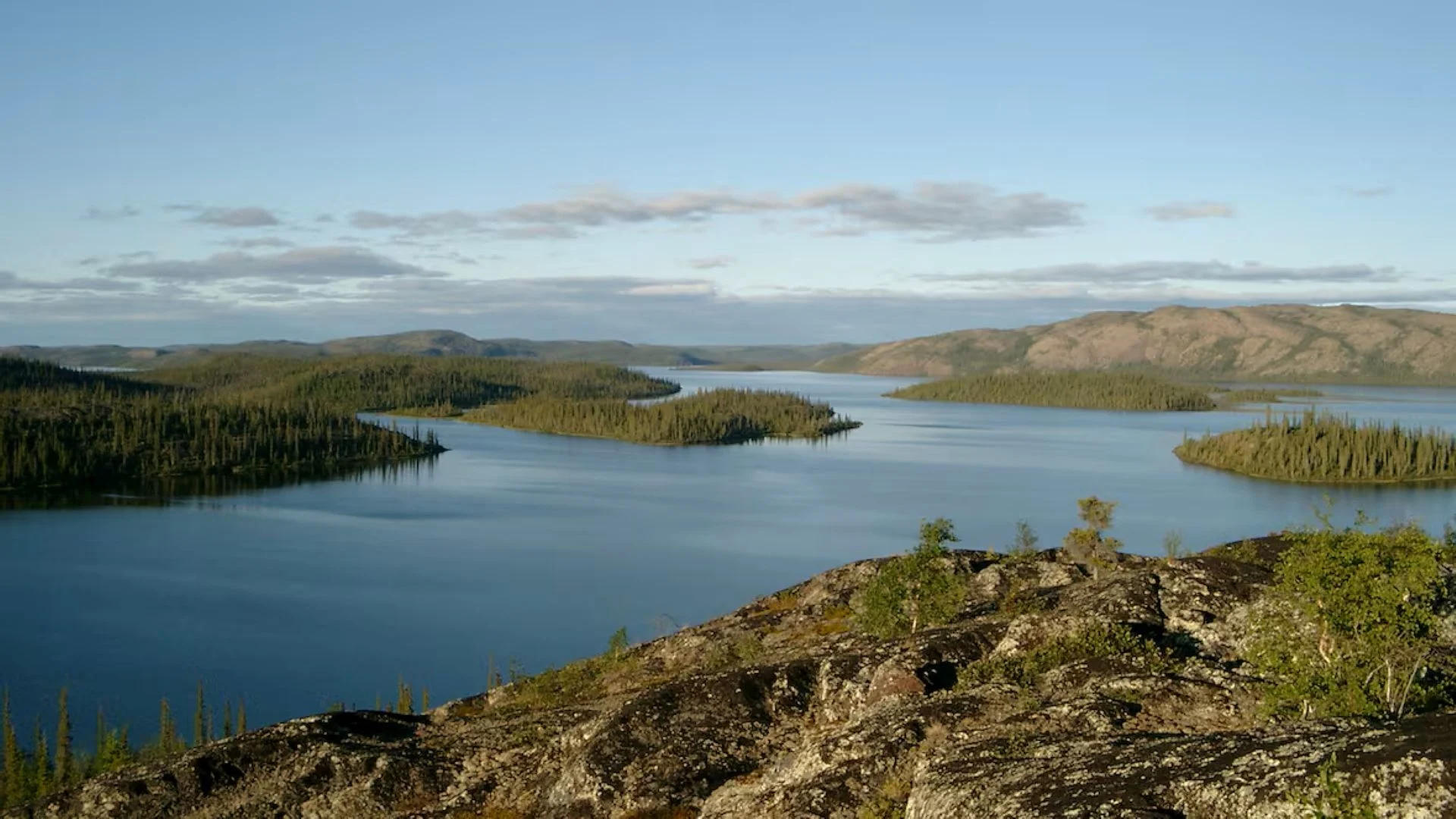
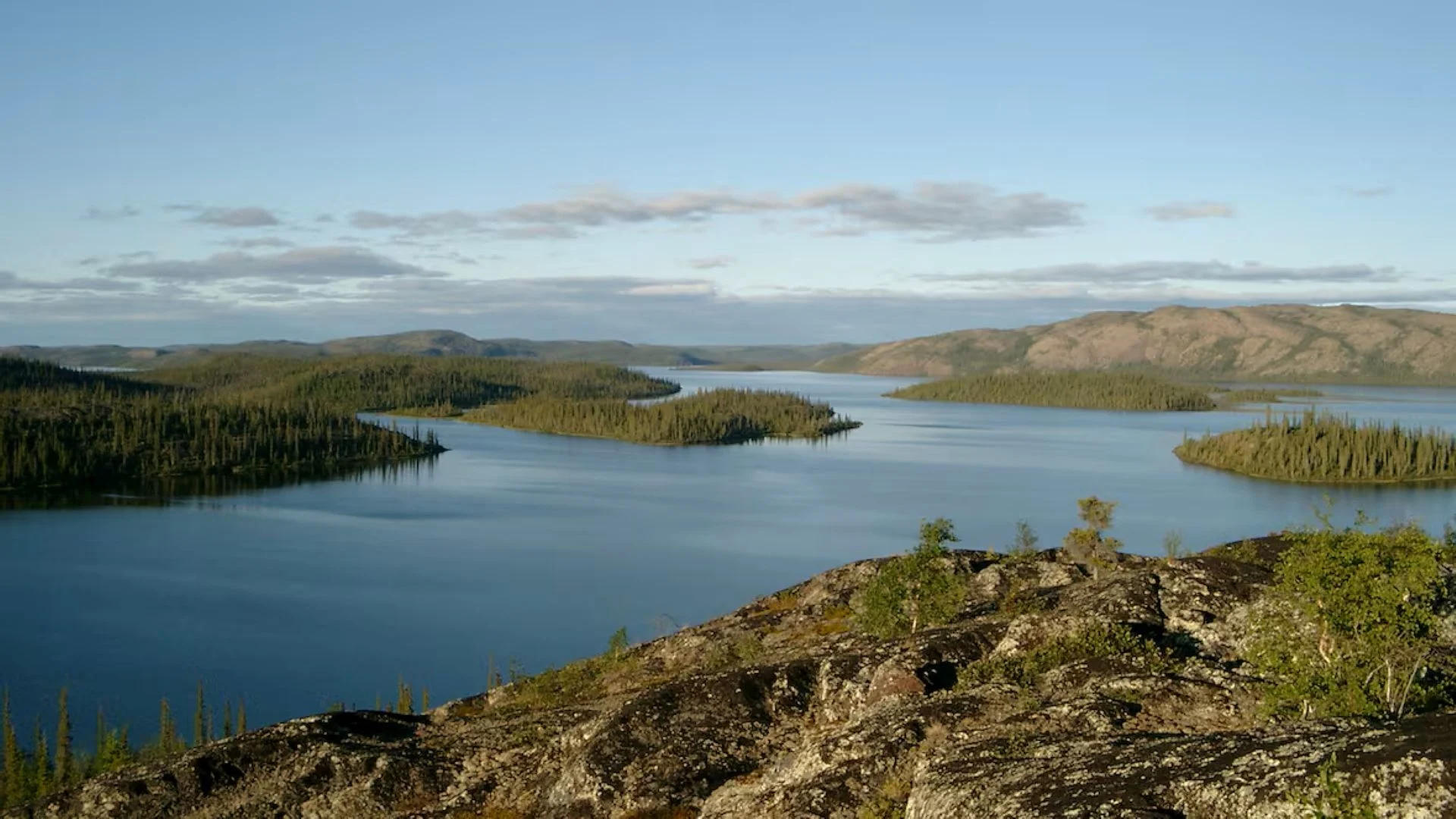
Great Bear Lake photographed by one of the study authors. Researchers examined layers of sediment in core samples taken from different parts of the lake to understand how the environment had changed over different periods. (Kimberly L. Howland/Fisheries and Oceans Canada)
“Because there's less ice cover, there should be more algae in total — more food in total … The type of algae has changed significantly, and that's where we're not sure.”
Smol said previous research in Great Slave Lake found that the algae population there was shifting from varieties rich in calories and fatty acids to those with fewer calories.
Changes in algae species over time
“If you look at things that are happening similarly in, like, the Great Lakes … that same type of shift’s been shown to really affect fish food,” he said.
The team conducted its research by examining layers of sediment in core samples taken from different parts of Great Bear Lake.
That allowed them to draw conclusions about how the environment had changed over different periods.
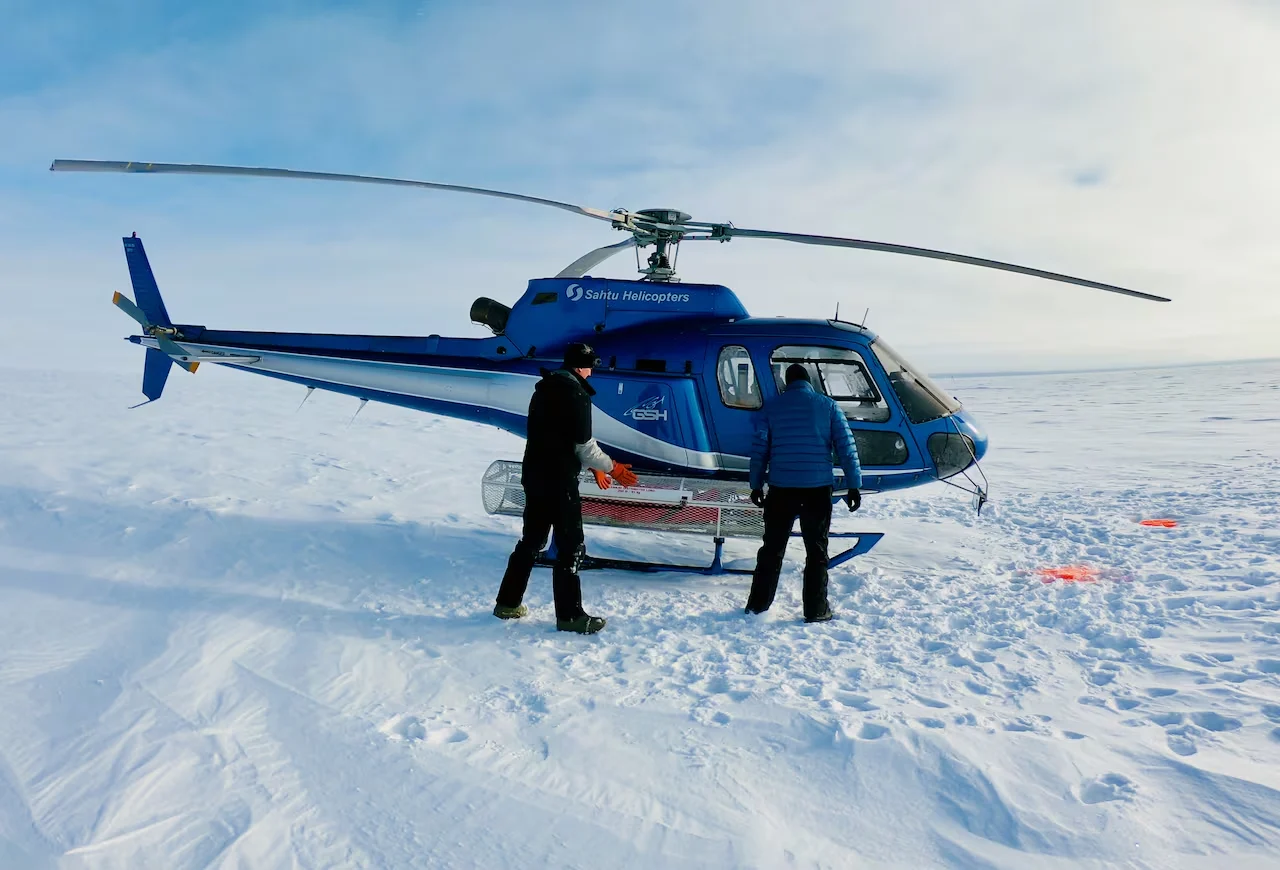
Researchers arrive at a sediment coring location on Great Bear Lake. (Andrew Mummery/Environment and Climate Change Canada)
They also compared their findings to similar research on Lake Hazen and Great Slave Lake in the N.W.T.
The composition of algae species in Great Bear Lake has shifted from shallow-water varieties common to ice-covered lakes to species that thrive in open water, Smol said.
Researchers were surprised by how much all three of the lakes had changed in recent years given their size, he added.
“[The lakes are] about the size of the country of Belgium. You could fit the CN Tower into Great Slave, and you could fit the Eiffel Tower with a football field to spare in Great Bear,” he said.
“So they should be slow to change because they have … what we called thermal inertia.”
One environmental scientist who has worked as a fishing guide on Great Bear Lake for Plummer’s Arctic Lodges for the past 14 years said he hasn’t noticed a trend during the relatively short time he’s fished on the lake.
Stoyberg said he has read the study and agrees with Smol and his co-authors that there isn’t enough data on the lake yet to draw any conclusions.
“There's nothing to support that the ciscoes aren't doing well or that the baitfish aren't doing well or better or that the invertebrates aren't doing well or better,” Stoyberg said.
“But it's certainly important to note the change and then … I hope that they're going to continue any further research and investigative work to see … what's going to happen.”
Stoyberg said Great Bear is such an unforgiving system that species have to adapt or die.
“Any change to a system is going to … stir the pot, if you will,” he said.
“Once you've developed a survival strategy for such a harsh environment, if a change happens and all of a sudden, you're not very good at surviving anymore … it's going to have to start the selective mutation cycle all over again.”
Thumbnail courtesy of Kimberly L. Howland/Fisheries and Oceans Canada.
The story was originally written by and published for CBC News.
