Can't avoid climate change: Deep Arctic Ocean also feeling its wrath

The warming of the deep depths of the Arctic Ocean can't be explained by geothermal heating alone, with a recent study citing the rapid heating of the Greenland Basin as the primary culprit
With global warming expected to continue breaking air temperature records for at least the next five years, the ocean certainly isn't immune to that, either.
It has been feeling the heat with the recent, record-high sea surface temperatures, for example. A study published in January 2026 said the ocean absorbed more heat in 2025 than in any year since modern measurements began.
As further evidence of how widespread the problem is, a new analysis says the warming of the deep depths of the Arctic Ocean is not from geothermal heating alone--contrary to what scientists had believed was the main source of the temperature rise for decades.
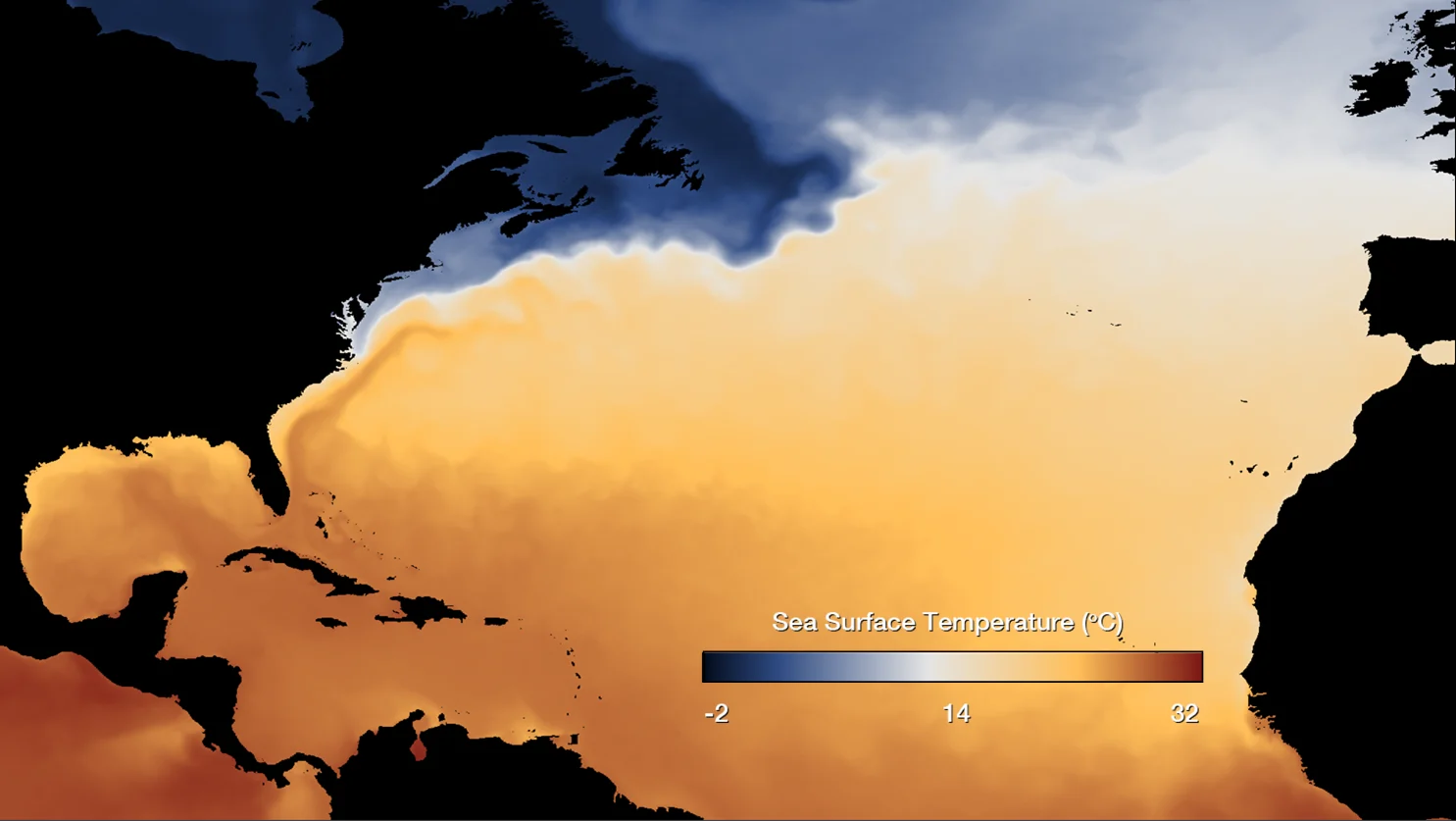
Gulf Stream and sea surface temperatures in the Atlantic Ocean. (NOAA)
According to the recent study, recent observations found by scientists showed the warming rate in some deep areas was greater than what could be attributed to geothermal heating as the source.
Study reveals extra heating of the Arctic Ocean is from the Greeland Basin
Observations documented by scientists since the 1990s have shown widespread warming occurring in the deep and bottom of the Arctic Ocean.
Through those time periods, the heat was "historically attributed" to geothermal heating as the impacts of global and Arctic climate change on the deep and bottom Arctic Ocean warming remain unresolved, authors of the study said.

(Getty Images)
When referring to the deep Arctic Ocean, it's important to note its two major basins within--the Amerasian (AB) and the Eurasian (EB). Both are separated by the Lomonosov Ridge (LR).
The deep Arctic Ocean water has been warming at 0.020 C a decade in the Eurasian Basin, the study said. The warmth has been reaching depths between 2000 metres and 2600 metres, an occurrence that can't be explained by geothermal heating on its own.
"We find that the rapid warming in the deep Greenland Basin diminishes its cooling effect on the deep Eurasian Basin via the Fram Strait, leading to the warming in the deep Eurasian Basin. Meanwhile, the Lomonosov Ridge blocks this warming signal from reaching the deep Amerasian Basin, maintaining its relative slow warming rate of 0.003 C [a] decade. Our findings indicate that the deep Greenland Basin warming has already exerted obvious impacts on the deep Arctic Ocean," authors of the study wrote.
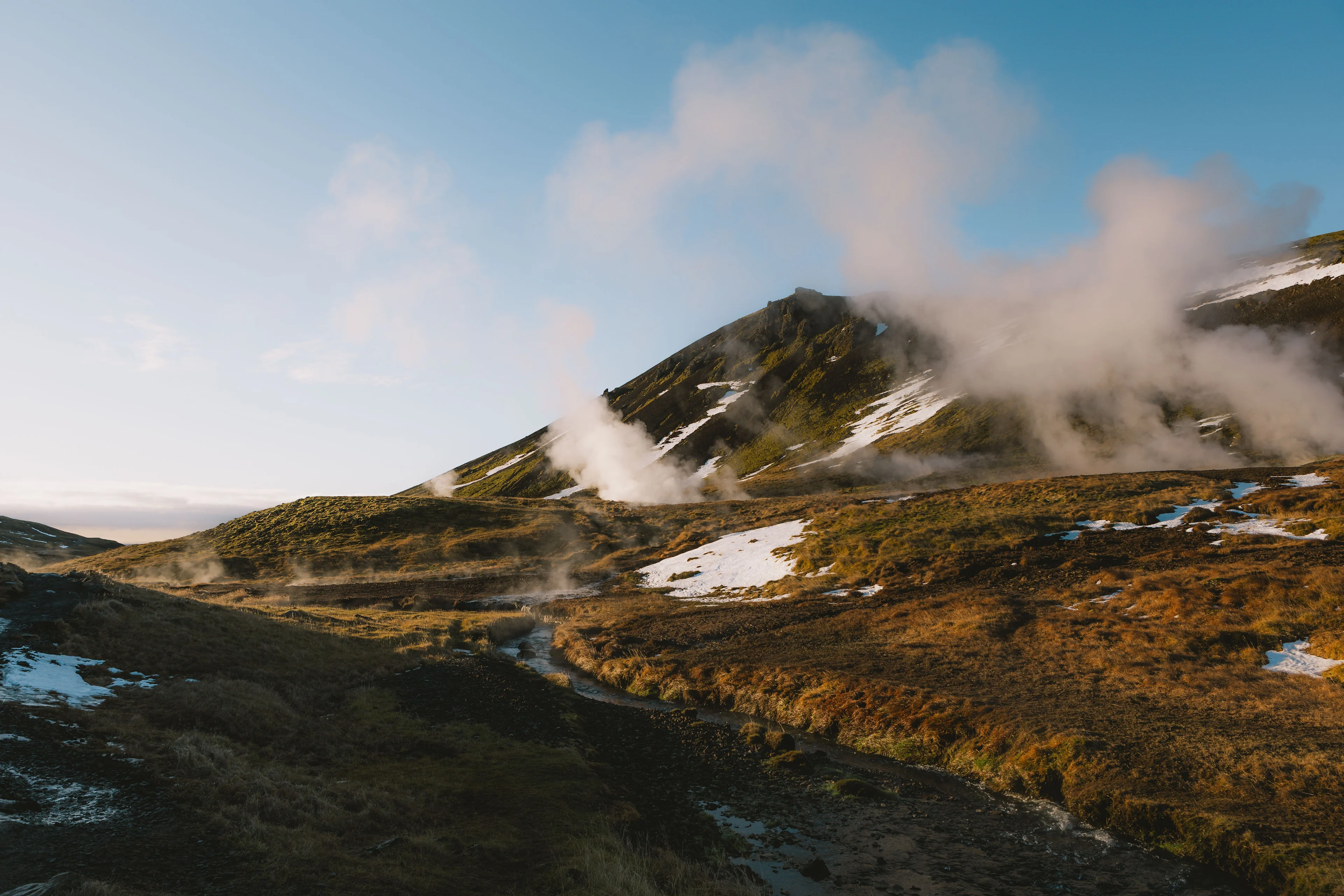
Geothermal landscape. (Andreas Ebner/Pexels)
Geothermal heating, which makes its way to the bottom ocean from the Earth's interior, is seen as a significant contributor to the warming and maintenance of the "homogeneous, bottom layer of the deep Arctic Ocean," the researchers said.
"However, geothermal heating alone cannot fully explain the vertical, warming structure of the abyssal Arctic Ocean. It is insufficient to account for the observed warming in the Arctic Ocean deep water above the bottom layer," the study said.
