Canada's first beach-cleaning robot brings new fight to remove plastic

A fully electric, remote-controlled robot is getting down and dirty on beaches in the Great Lakes region to tackle the growing plastic pollution problem
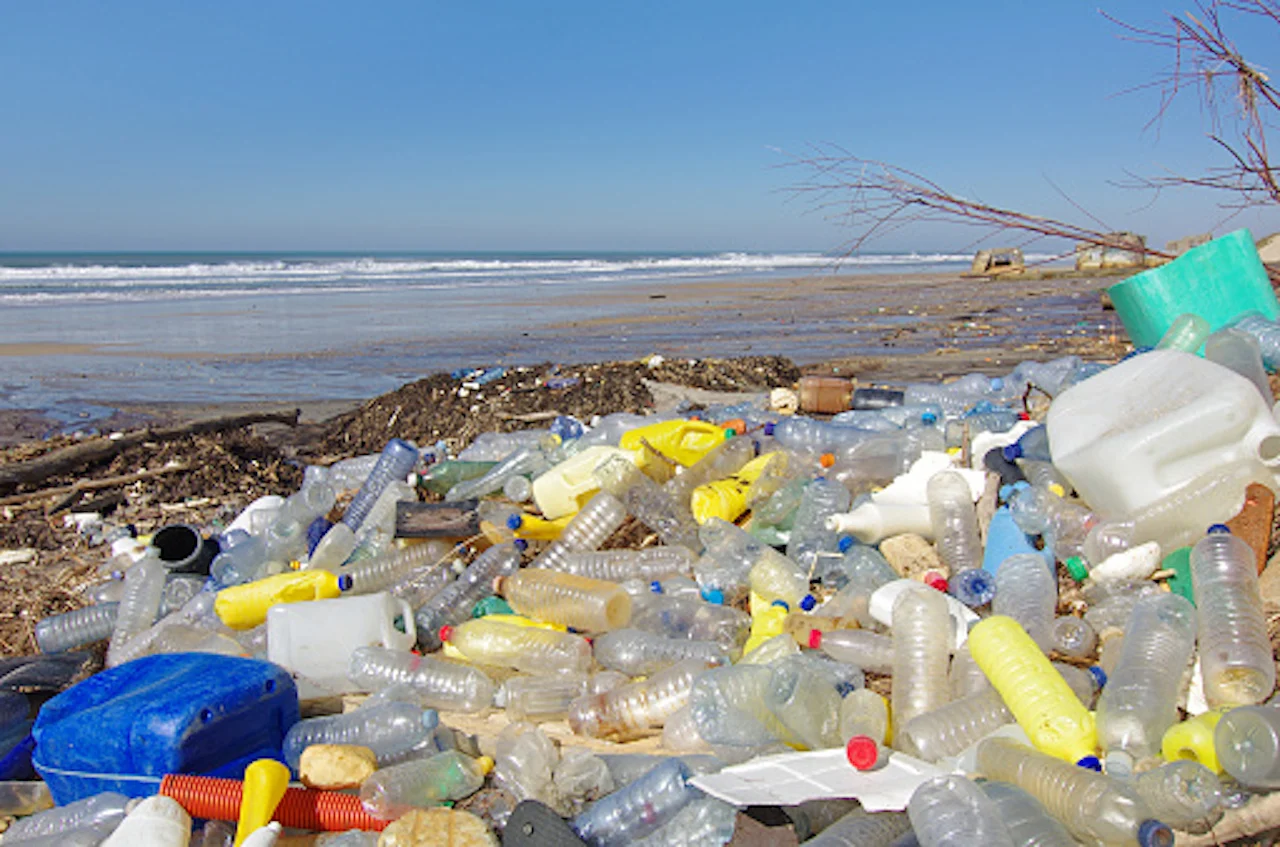
The results of the 2025 Great Lakes Plastic Cleanup paint a grim picture of how much plastic is in the waters and along the shorelines.
It is estimated that nearly 10 million kilograms of plastic enter the Great Lakes each year.
But there is a solution to improve removal efforts.
SEE ALSO: New Canada-Japan climate measures aim to curb three planetary crises
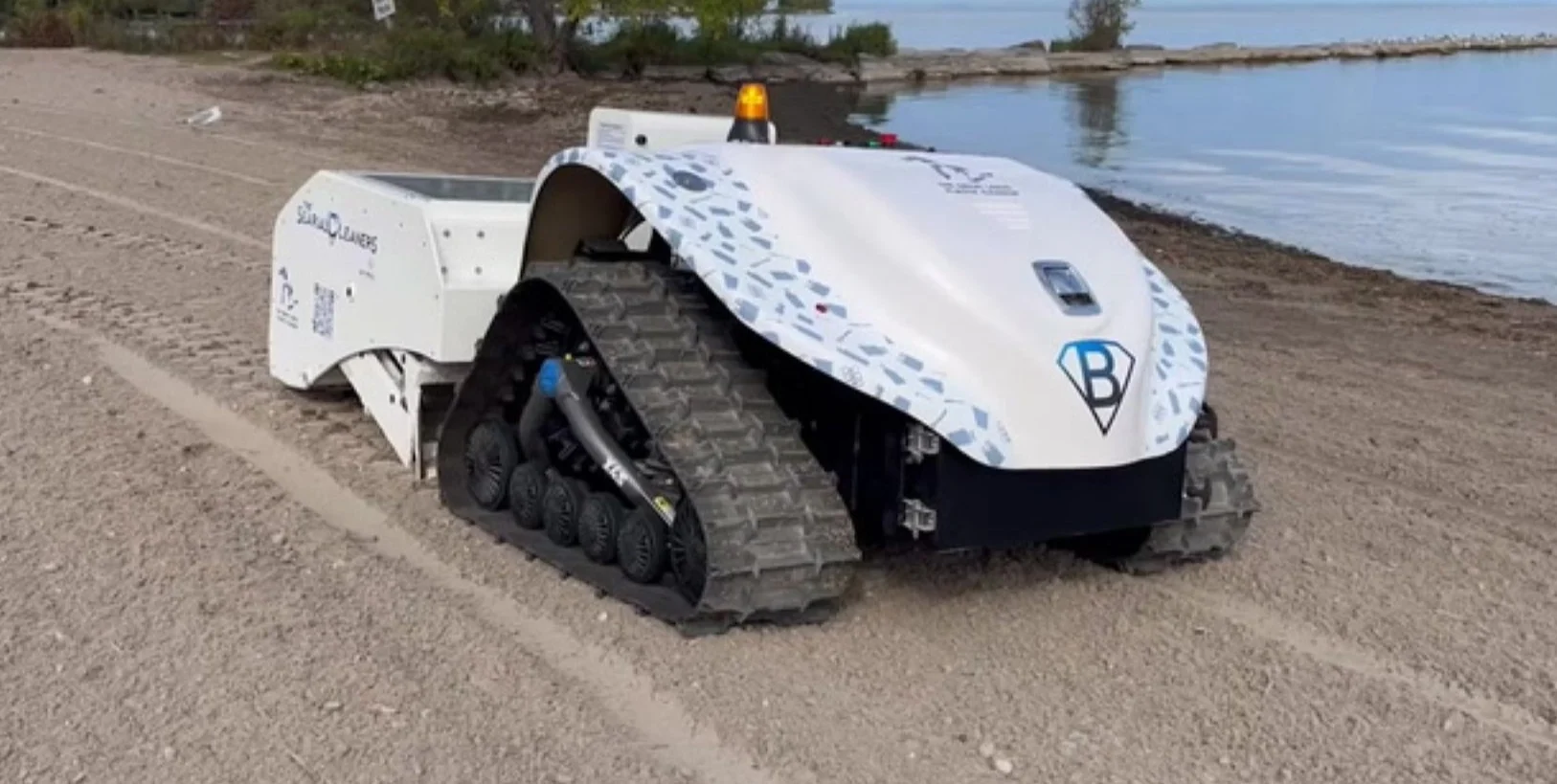
Introducing the first BeBot, a fully electric, remote-controlled, beach-cleaning robot, in Canada. It can comb through sand and remove plastic debris using a metal filter before the material can enter, or re-enter, the water. After that, the sand gets returned to the beach.
In 2025, close to 32,500 pieces of plastic and other debris, weighing more than 42 kilograms, were sorted and classified at sites in the Great Lakes region.
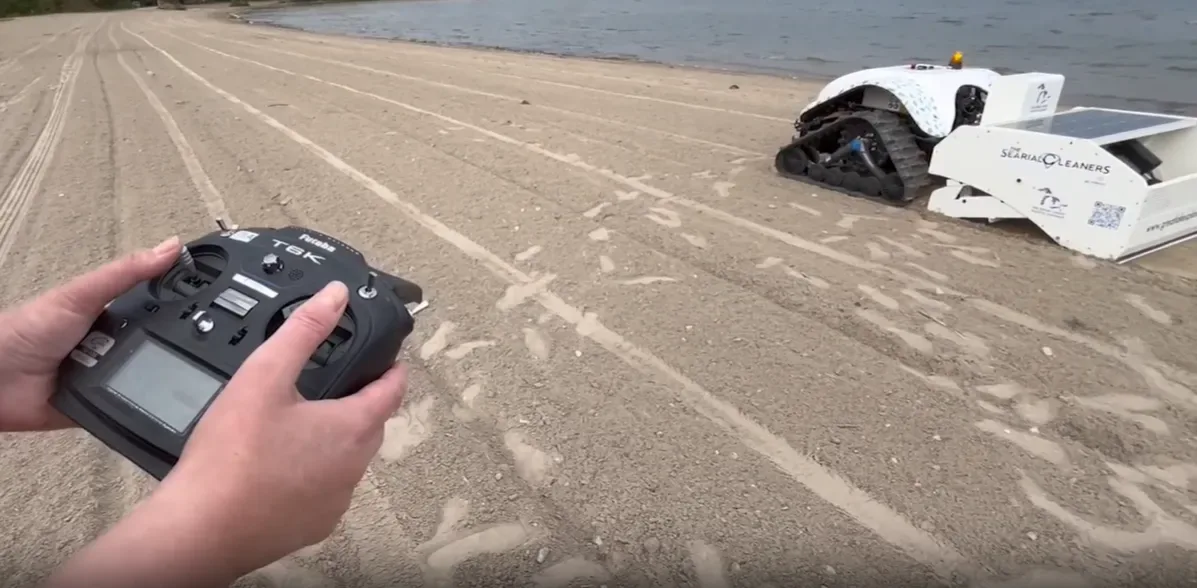
BeBot cleaning robot. (Pollution Probe/Submitted to The Weather Network)
The yearly report outlines how plastic pollution moves through the Great Lakes region, and how various cleanup technologies are capturing debris found in water, on shorelines and in stormwater systems.
"The BeBot has proven to be a valuable addition to the Great Lakes Plastic Cleanup technology fleet because it allows us to access and clean sandy-beach environments that are not directly addressed by other capture technologies," said Melissa De Young, CEO at Pollution Probe, in a recent email interview with The Weather Network.
BeBot is 'much more than cleanup device'
The BeBot can clean up to 3,000 square metres per hour and sift material up to four millimetres below the sand surface, according to De Young.
She said the capturing device has "proven to be a valuable addition" to the Great Lakes Plastic Cleanup technology fleet because it allows the collective to access and clean sandy-beach environments that are not directly addressed by other, similar technologies.
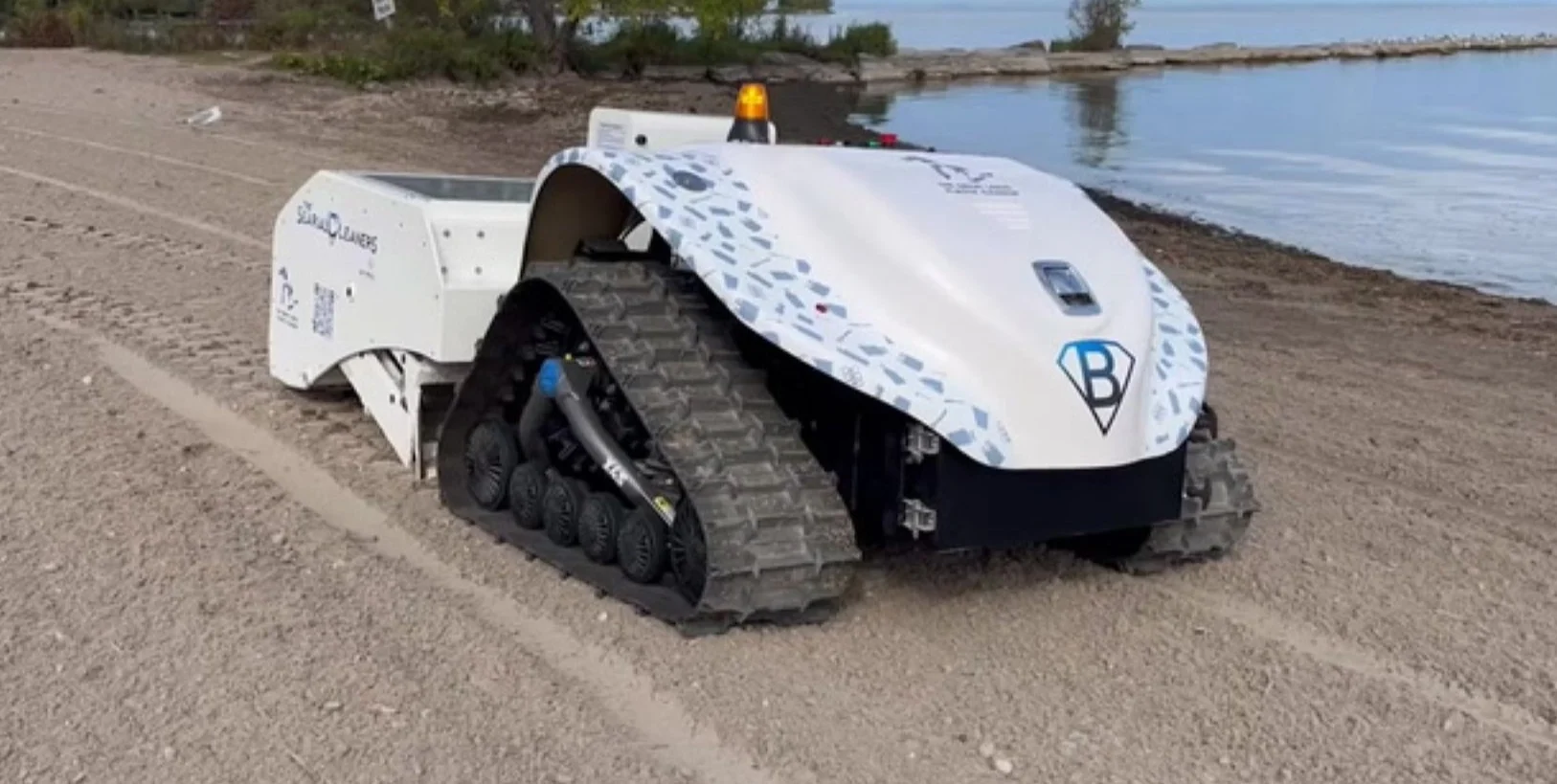
BeBot cleaning robot. (Pollution Probe/Submitted to The Weather Network)
"We have found it to be quite successful at collecting large, intact items that are not commonly captured by other devices, including toys, fireworks debris, food packaging, cigarette butts, and fragmented plastics found along shorelines," said De Young.
The plastic cleanup initiative has gathered, sorted and classified more than 43,000 pieces of debris using the BeBot technology on Great Lakes beaches.
"The BeBot is much more than a cleanup device. It is also an effective public engagement and education tool. Because it operates directly on public beaches, the technology naturally attracts attention, and makes plastic pollution visible in a way that many people do not normally experience," said De Young.
When people see the BeBot in action, that creates an "immediate connection" between everyday litter and the health of the Great Lakes, she said.
(Getty Images/Sablin/1091668144-170667a)
"Beachgoers frequently stop to watch the device operate, ask questions and learn more about where the debris comes from and how it enters the lakes," said De Young.
"Since its introduction as Canada's first beach-cleaning robot, the BeBot has also generated significant media attention across television, radio, print, and digital outlets. That visibility has helped expand awareness of plastic pollution well beyond the beaches where it operates, and has introduced new audiences to the broader goals of the Great Lakes Plastic Cleanup."
The other mobile device in operation is known as a PixieDrone, a remote-operated, aquatic drone that is designed to collect floating debris on the surface of the water. It was also the first to be operated in Canada by the Great Lakes Plastic Cleanup, she noted.
Lake Ontario 'consistently' reports highest average of plastic counts
One of the "most surprising" findings has been the amount of small plastic pieces and microplastics that are strewn throughout the Great Lakes region, De Young said.
Based on Great Lakes Plastic Cleanup data collected to-date, Lake Ontario has regularly reported the highest average of plastic counts among the five bodies of water, De Young said.
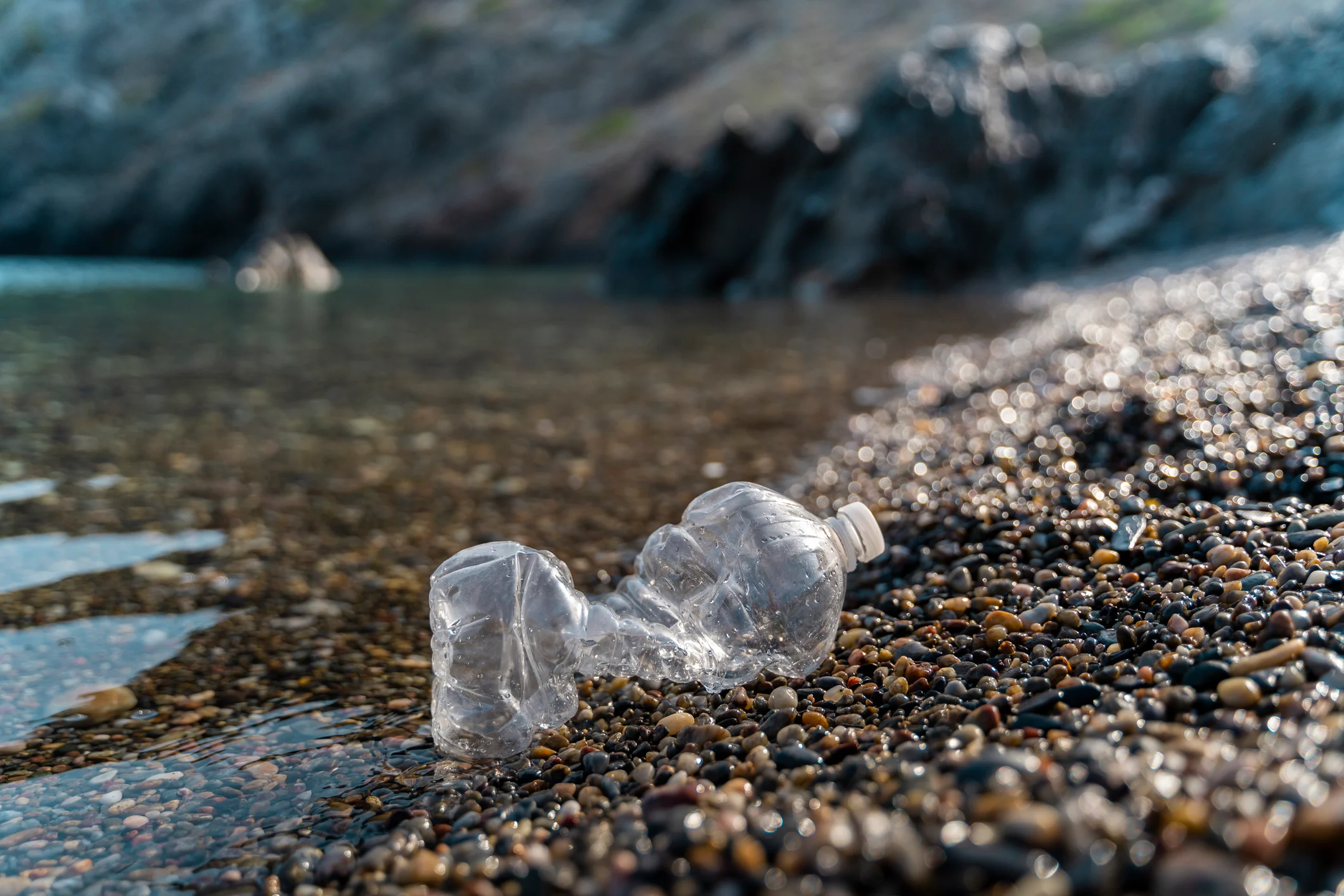
(Westend61. Getty Images)
In 2024, Lake Ontario documented an estimated average of 210 pieces of plastic per waste audit, with most of the material gathered adjacent to shore environments. In 2025, the average jumped to 198 pieces.
The most common items included small foam pieces, small hard fragments, and pre-production plastic pellets.
"More than 70 per cent of the debris characterized through the Great Lakes Plastic Cleanup consists of microplastics such as small fragments, foam pieces, and pre-production plastic pellets," said De Young.
According to the 2025 report, much of the initiative’s plastic removal technologies continue to remove debris even when data is not reported, so the final number of pieces collected over the season is significantly higher.
"It's important to note that the amount of plastic collected can be influenced by many factors, including the number and type of technologies deployed, the characteristics of a site, surrounding land use, weather conditions, and how long devices have been operating," said De Young.
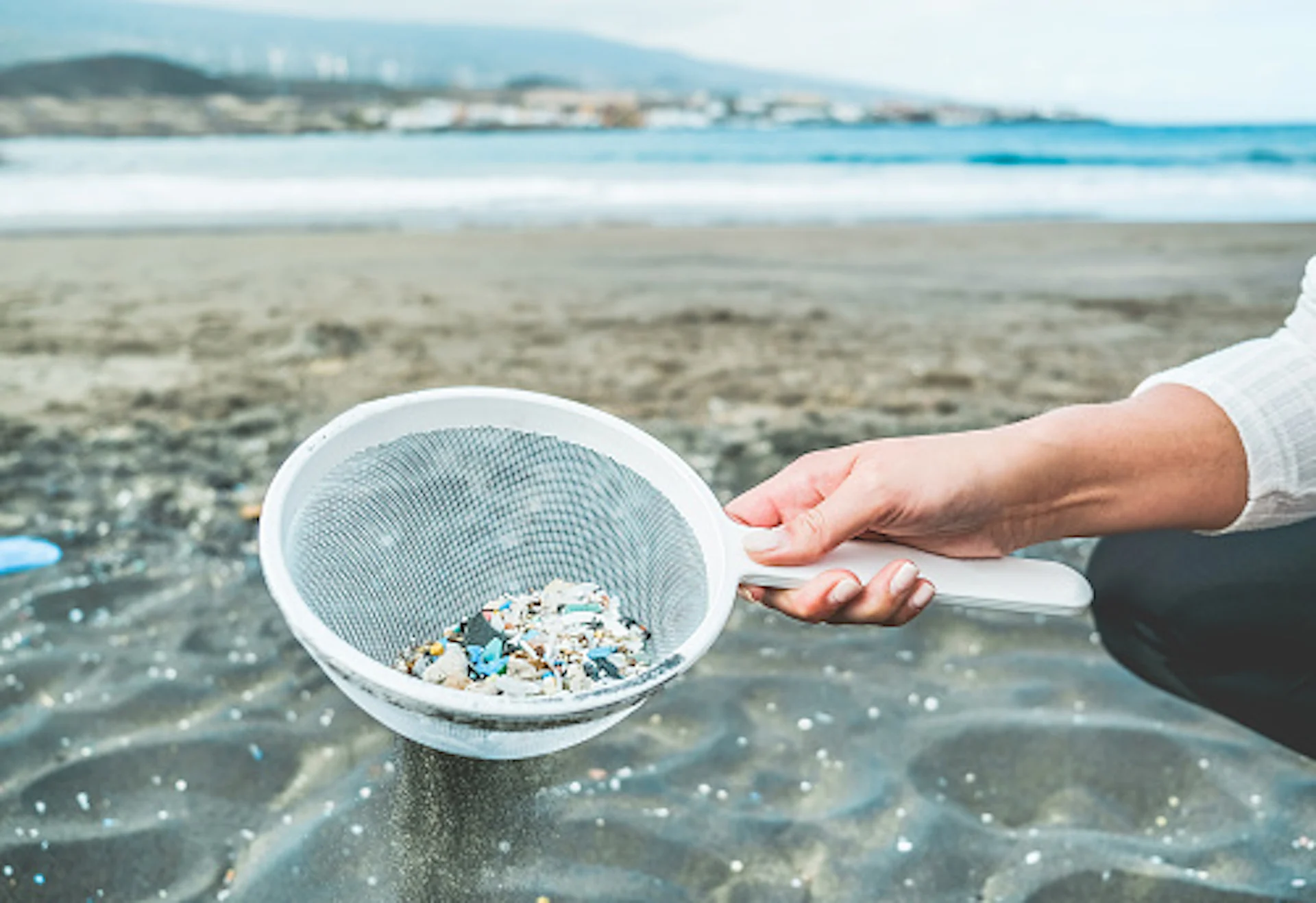
The majority (Getty Images/Disobey Art/1140976290-170667a)
"As a result, our data are most useful for identifying trends, pollution hot spots, and common debris types, rather than ranking lakes based solely on total volume collected."
WATCH: Toronto Trash Team finds no reduction in harbour litter, year-over-year
'Targeted interventions' can work: De Young
While the Great Lakes Plastic Cleanup's data highlights a widespread prevalence of plastic pollution in the basin, De Young said there is evidence that "targeted interventions can make a difference."
For example, after Ontario passed legislation in 2023 that required dock foam to be enclosed (Keeping Polystyrene Out of Ontario's Lakes and Rivers Act, 2021 (Bill 228), there was a noticeable decline in the amount of the material collected in parts of Lake Ontario, she added.
(Jonathan Petersson/Pexels)
"This suggests that prevention measures, policy changes, and infrastructure improvements can reduce specific sources of pollution," said De Yonge.
It's no secret that we are ingesting microplastics from the food, drinks and air we consume, with serious health ramifications. Plastic also has tremendous impacts on the terrestrial and aquatic environments, and their inhabitants.
"Larger debris can entangle wildlife and damage their habitat. Large items such as bottles, foam, food packaging, fishing gear, and construction debris can also gradually break apart into smaller fragments," said De Young.
"These pieces become microplastics, which can persist in the environment for long periods and are now found throughout the Great Lakes watershed. Researchers have documented microplastics in Great Lakes water, sediments and fish."
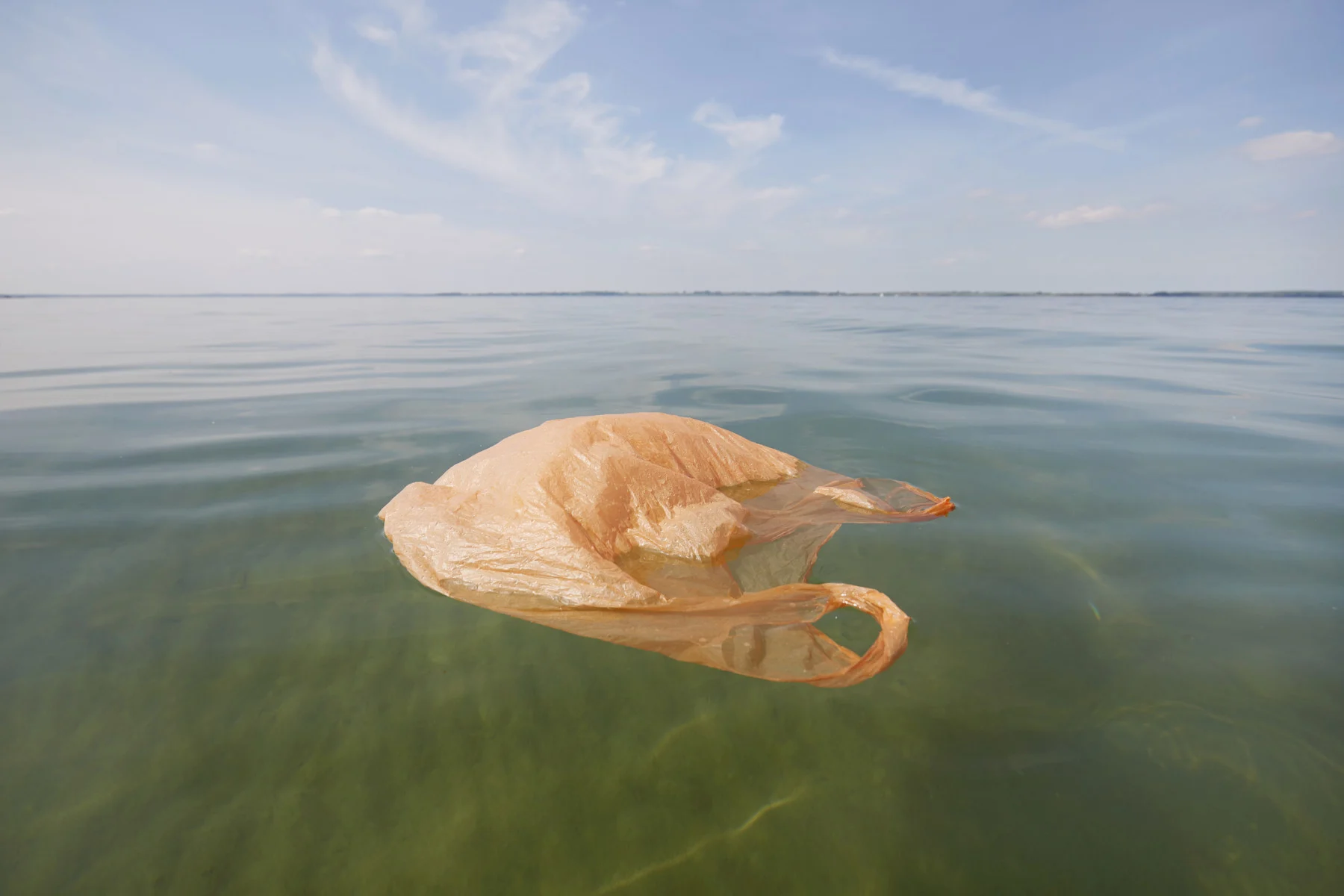
(the_burtons/ Moment/ Getty Images)
One of the most "striking examples" of the documentation of microplastics in fish was found in Hamilton Harbour in 2015, De Young said. A brown bullhead was found to contain 915 synthetic particles, including microplastics and other human-made materials.
"This represents the highest number of particles ever recorded in a fish anywhere in the world," said De Young.
"Plastic fragments can absorb and concentrate certain chemicals from the surrounding water. They can also provide surfaces on which micro-organisms can grow. This raises concerns about plastics acting as carriers for contaminants and potentially harmful microbes within aquatic environments."
She noted that debris that accumulates on shorelines, wetlands, and in nearby habitats can smother vegetation, reduce light penetration, and alter habitat conditions.
WATCH: The problem with microplastics in Lake Ontario
Thumbnail courtesy of Pollution Probe.
