
Arctic Sea Ice Day: 5 facts about an at-risk, valuable climate asset

From feeding polar bears to helping cool the planet, Arctic sea ice plays a vital role in the global climate and northern ecosystems. To mark Arctic Sea Ice Day on July 15, here are five key facts about the region's sea ice.
With the Arctic on the front lines of climate change because of its accelerating sea ice loss, July 15 is a day for the world to come together in solidarity, raise awareness about the urgent need for climate action, and advocate for sustainable policies that protect our planet and its vulnerable ecosystems.
Arctic Sea Ice Day, observed every July 15, raises awareness about the frozen ocean ecosystem, highlighting the importance of sea ice for the global climate and what we can do to protect it.
SEE ALSO: Why the Arctic's accelerated warming is an alarm bell for the planet
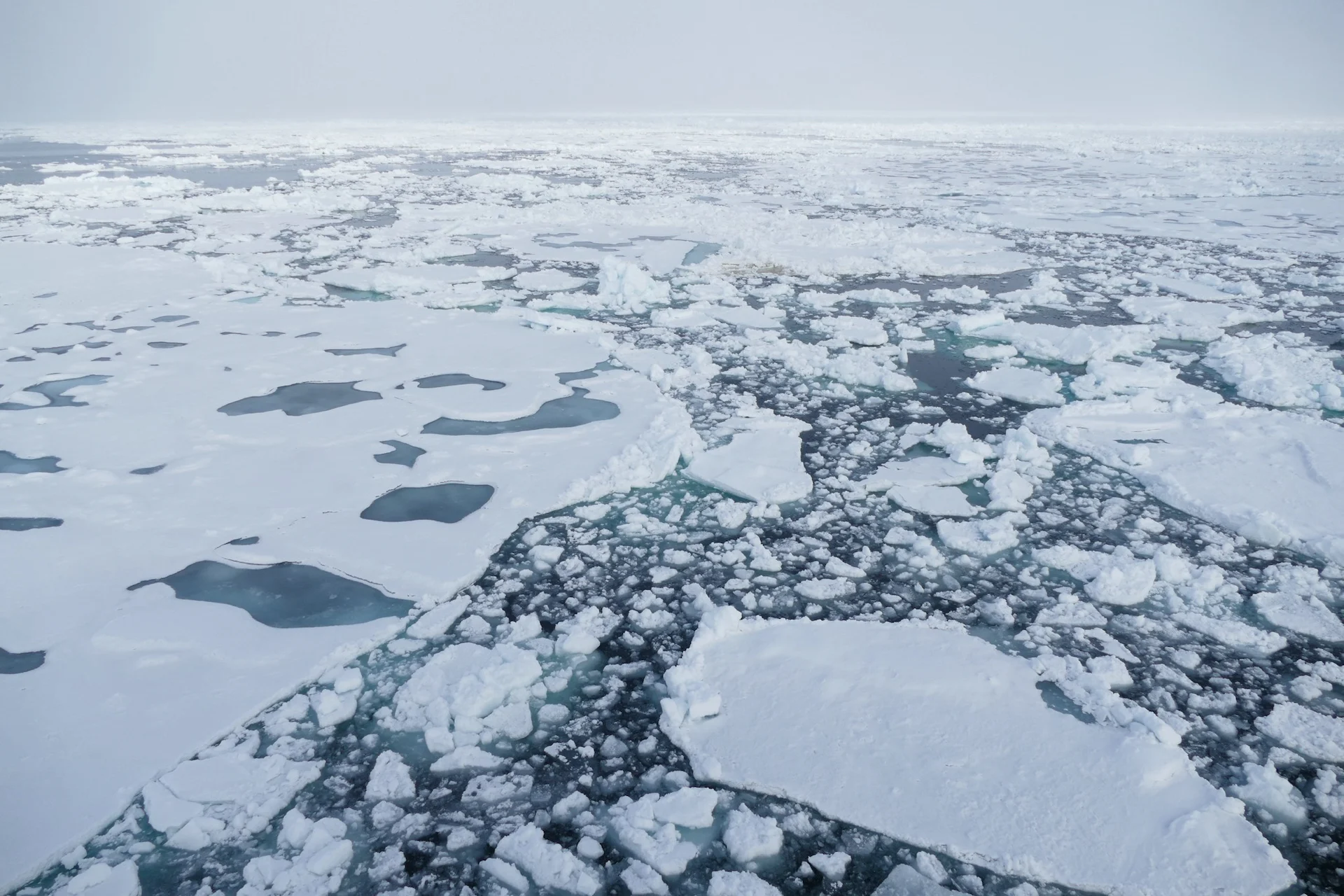
"Sea ice serves as the earth’s air conditioner, helping to keep our planet cool. It’s also the basis of the Arctic marine food web, and is used by northern communities for transportation and access to food," Polar Bears International (PBI) wrote on its website.
(Polar Bears International)
To mark Arctic Sea Ice Day, here are five of 10 key facts about it, according to Flavio Lehner, chief climate scientist at PBI and assistant professor at Cornell University.
Fact 1: Sea ice is to the Arctic ecosystem as soil is to the forest
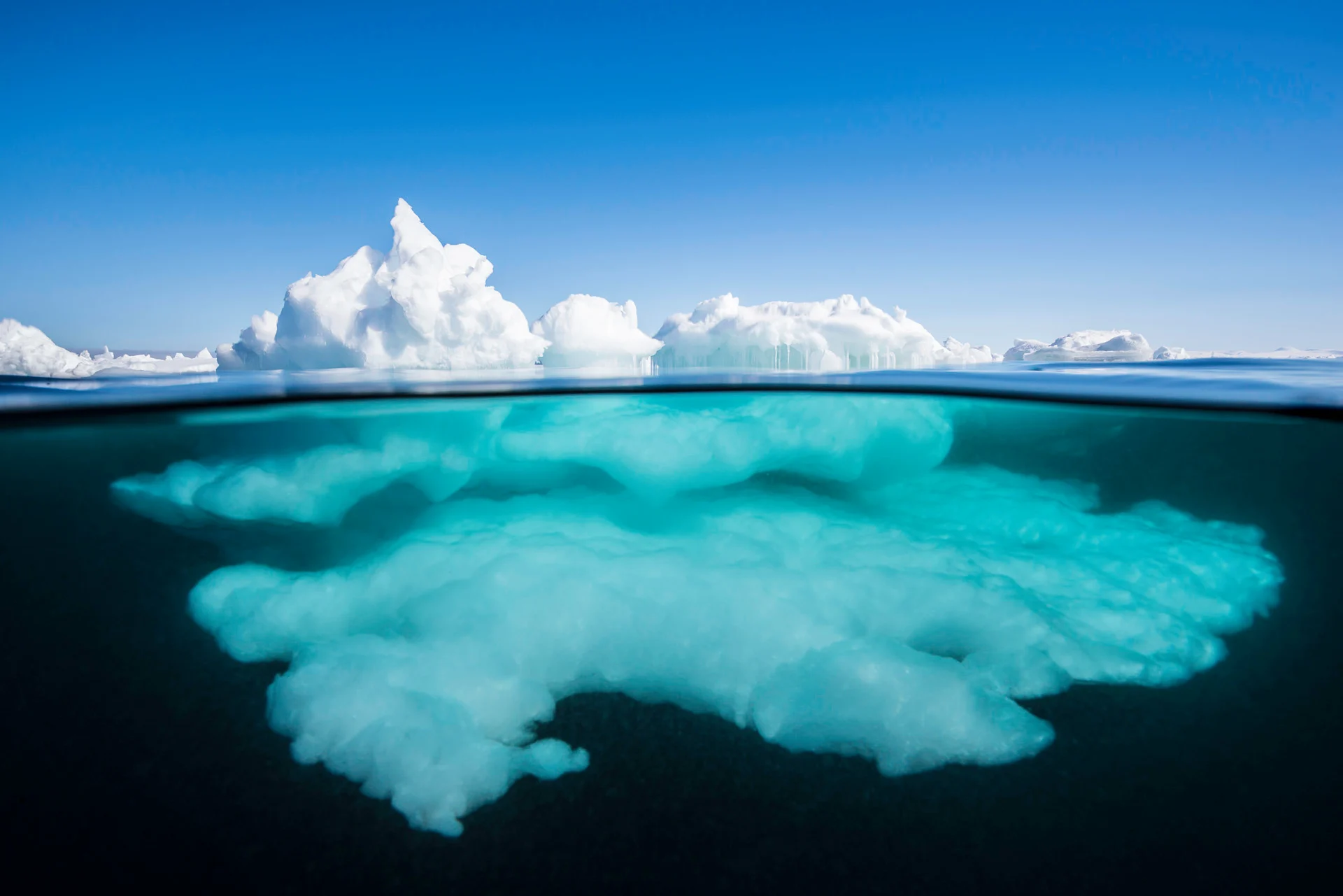
When ocean water gets cold enough to freeze, it ejects salt and causes channels to form in the ice, Lehner said.
Algae then grows within the "channels" and creates the base of the food chain. As a result, algae feed the tiny organisms, such as zooplankton, that reside in the waters.
(Wildestanimal/Moment/Getty Images)
"Arctic cod feed on them. Seals eat Arctic cod. And polar bears prey on seals," said Lehner.
Fact 2: Polar bears need sea ice for hunting
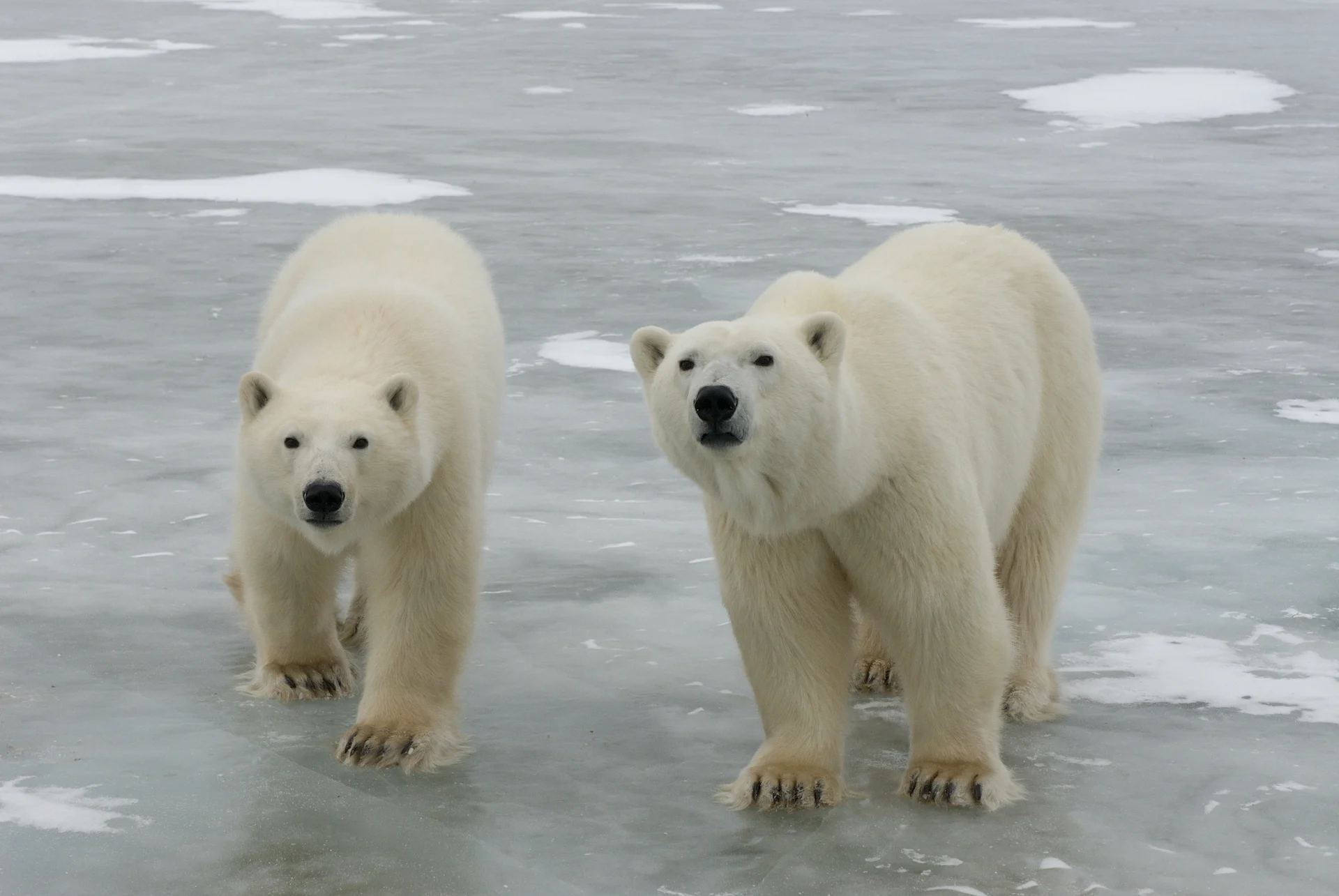
Hudson Bay’s polar bear subpopulations could go extinct in the coming decades if atmospheric, warming trends continue, a 2024 report suggested. An adult male polar bear becomes at risk of being unable to sustain itself when facing 180-200 days per year without adequate sea ice to hunt on.
(BJ Kirschhoffer/B0021531?/Submitted to The Weather Network)
The critical fasting threshold is 180 days for polar bears, according to PBI. Any number of days above that margin can lead to the starvation of up to 21 per cent of adult males and 63 per cent of subadults.
Fact 3: Arctic sea ice provides a platform for transportation and access to food
Sea ice isn't just for the animals. It offers folks in the region a medium for transportation and provides them with increased access to food.
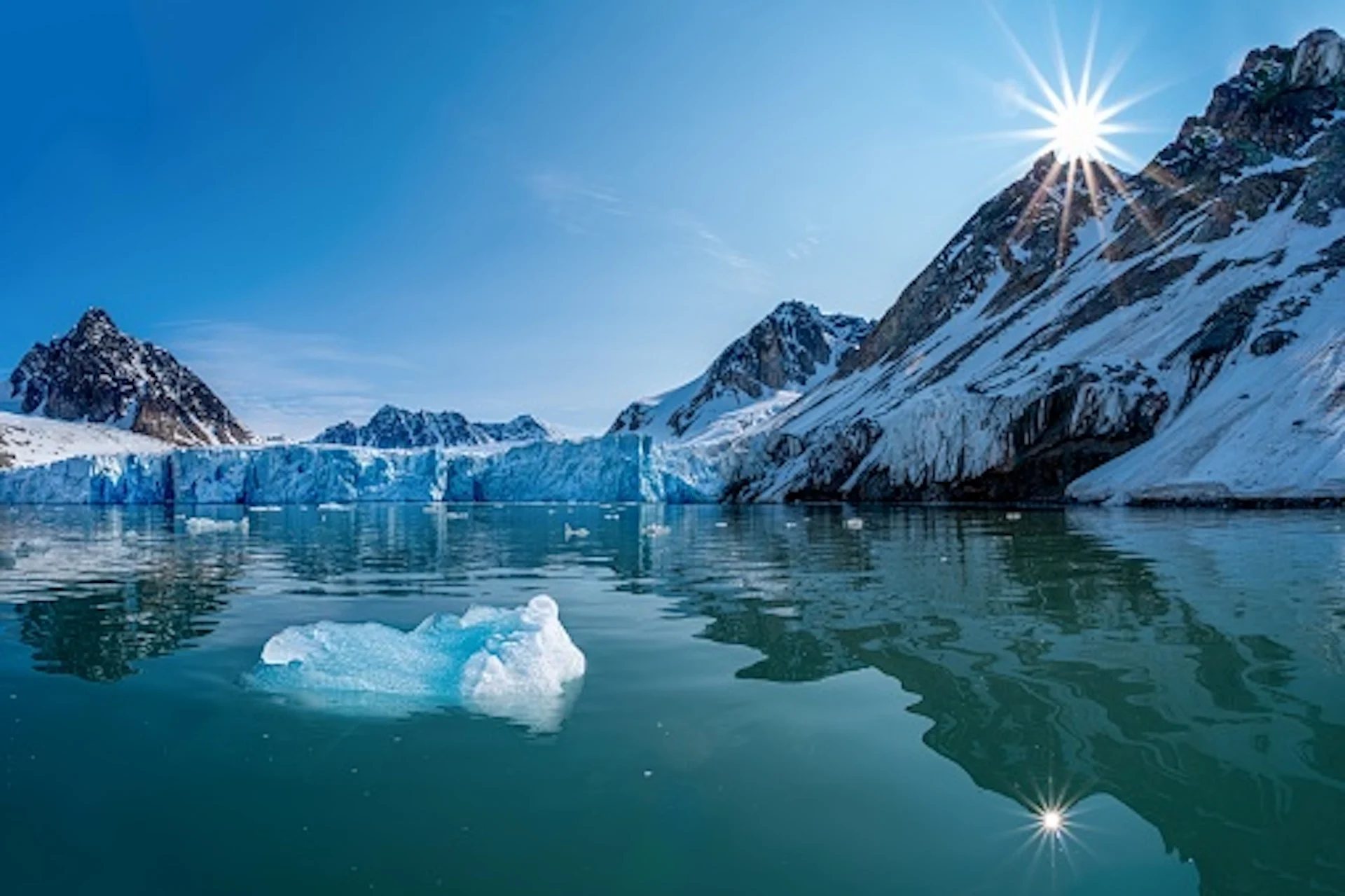
"Sea ice acts like a global air conditioner, helping to cool the planet by reflecting the sun's light and heat back into space rather than absorbing it into the water," said Lehner.
(Getty Images/Frank Gunther/2220213277-170667a)
Fact 4: Less sea ice means disrupted, warmer planet
The Arctic is warming much faster than the rest of globe, leading to an accelerated loss of its sea ice. The result is an amplification of global heating, sea level rise and ecosystem loss.
"Just as a heart circulates blood and regulates the body’s temperature, the ocean controls the world’s climate system by circulating heat, moisture, and nutrients around the planet. Disruptions in this system, such as extra heat, have global impacts and can lead to changes in weather patterns and destruction of marine ecosystems," said Lehner.
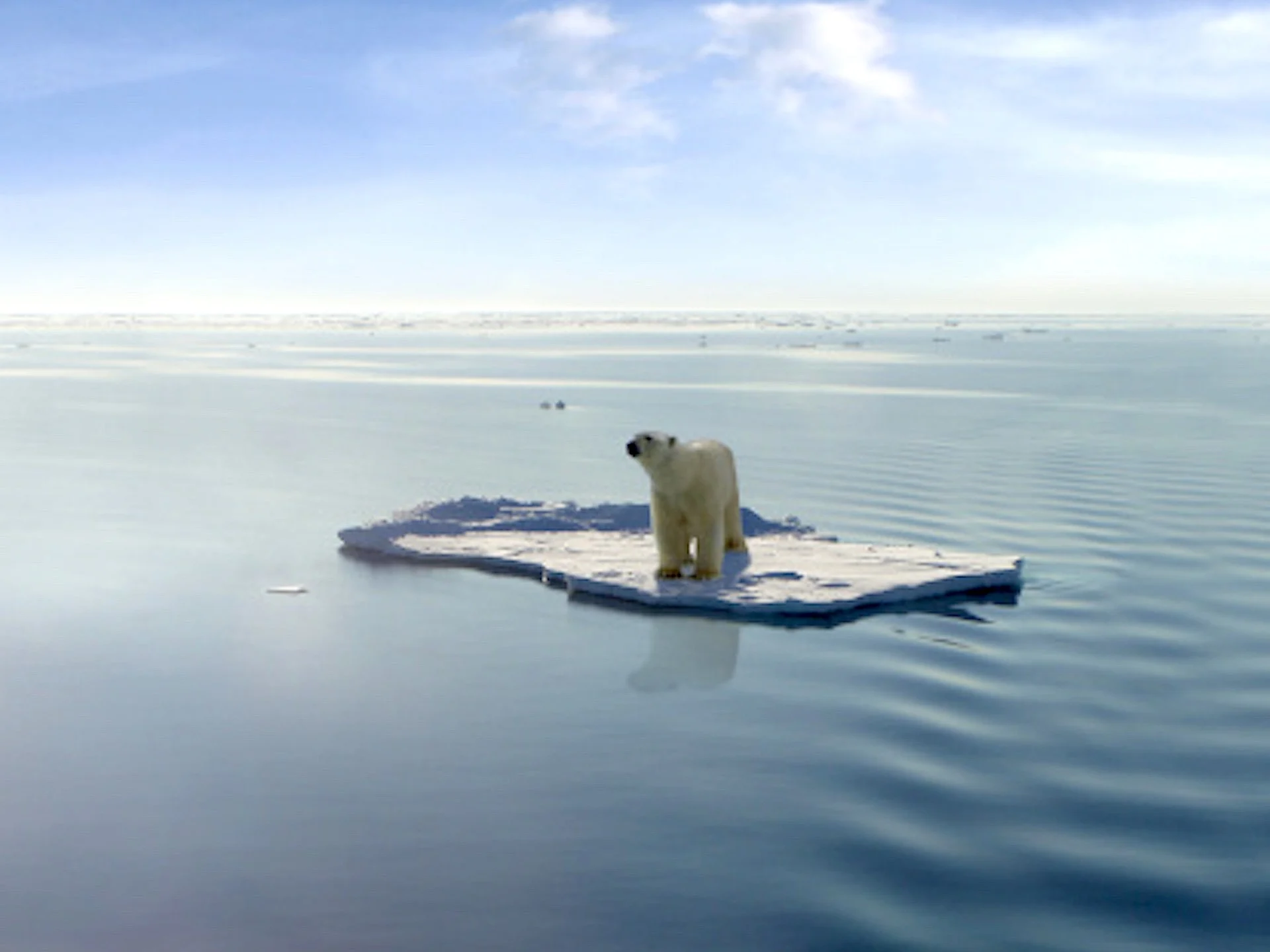
(Getty Images/Coldimages/135183496-170667a)
Fact 5: We are in a new era of Arctic sea ice
As a result of global warming, parts of the Arctic are seeing different types of sea ice. Instead of the thick, multi-year ice that was more common in the past, a more thin, seasonal ice is what the Arctic has nowadays, Lehner said.
"This young ice is much more vulnerable to rapid melting and moves more easily, resulting in a treadmill-like effect for polar bears trying to find their next meal or mate," said Lehner.
As a result, the bears will burn more energy to locate food. Doing so will have consequences for their health with eventual, population-level impacts, he added.
For the other five facts about Arctic sea ice, click here.
Thumbnail courtesy of Kt-Miller/Polar Bears International.
