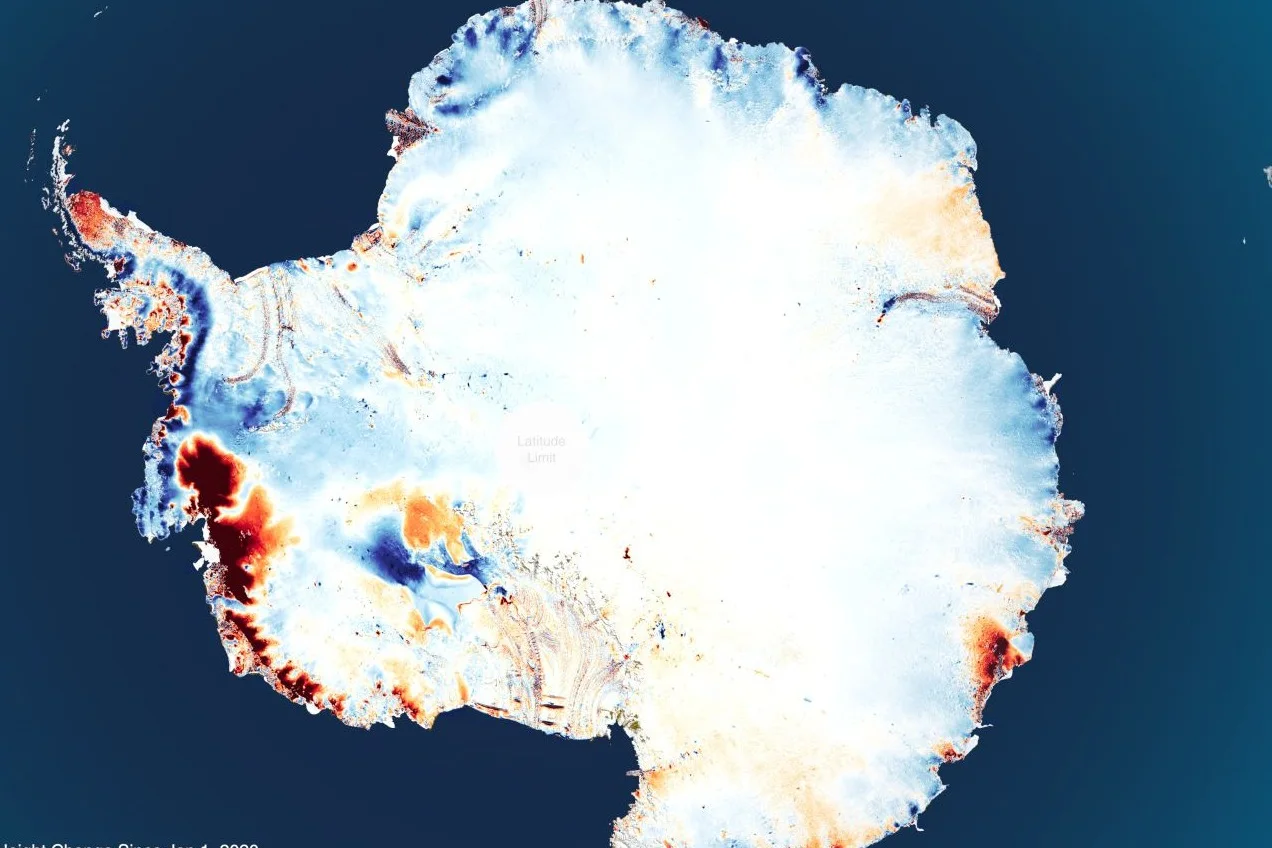
A strange shift is happening in Antarctica, but it's not all bad

As Antarctica continues to experience sea-ice loss, its mass expanded significantly from 2020 to 2024, at least, with ample amounts of snowfall helping to sustain its fragile balance for now
As global warming continues to chip away at the Antarctic ice sheet, researchers came across an unusual finding while studying satellite data.
From 2020 through 2024, at least, the Antarctic ice cheet gained mass overall, and scientists couldn't pinpoint the reason until recently.
DON'T MISS: Arctic may see single occurrences of ice-free days sooner than predicted
While the continent is losing more ice to the ocean due to iceberg calving, which has increased by almost 100 gigatonnes a year compared to the past two decades, according to the European Space Agency (ESA), Antarctica is getting an assist from Mother Nature to keep its mass growing.
What was once a net, annual loss of between 90 and 142 gigatonnes of ice from Antarctica when researchers began examining the mass in 2002, an eventual slowdown in the ice drop then became a net gain--at a rate of approximately 68 gigatonnes a year from 2020 to 2024, according to the study published in February.
What tipped the balance? Snow. And lots of it.
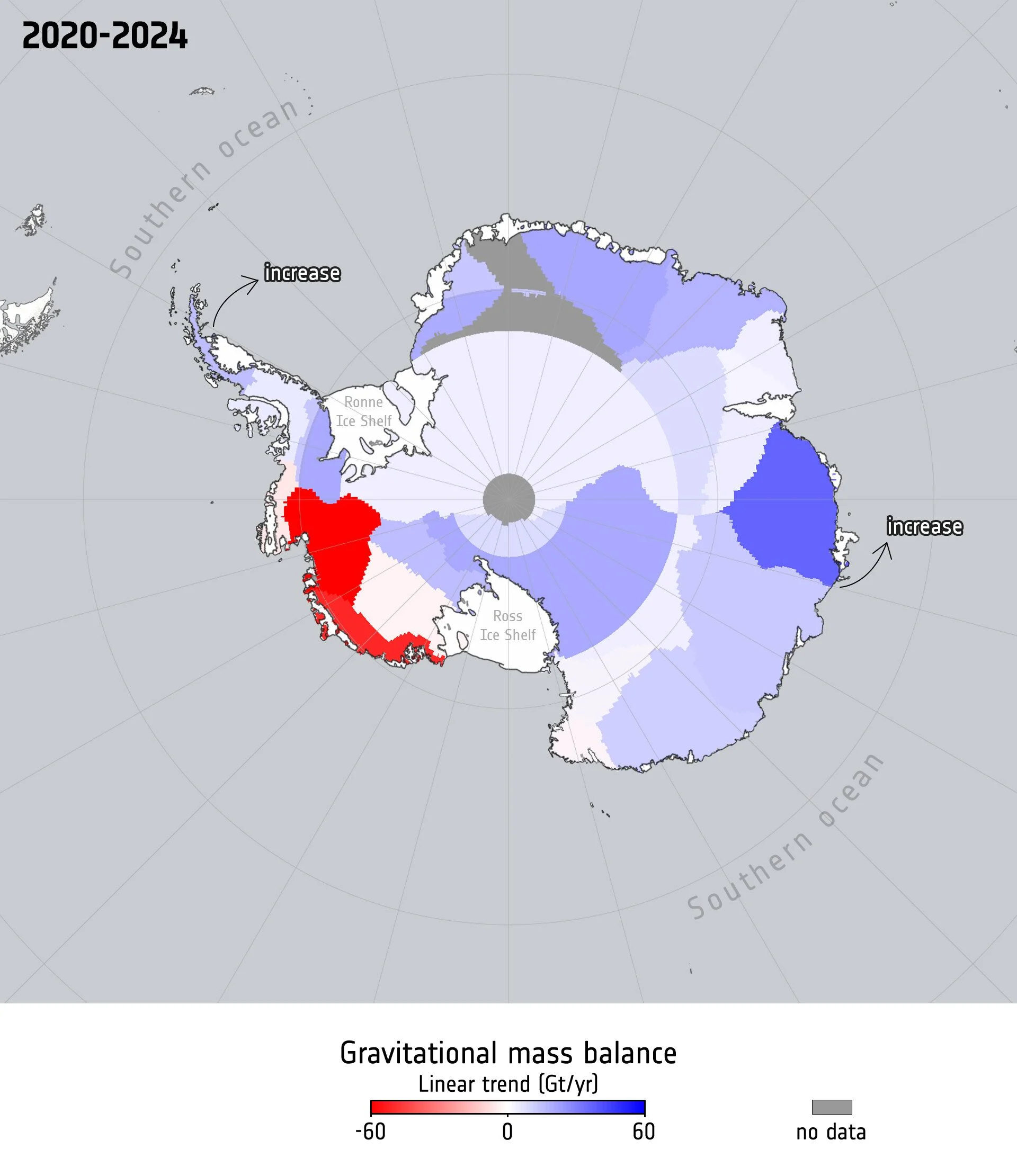
Mass loss and gains on the Antarctic ice sheet two pillars. (ESA. Data source: Kolbe et al, 2026)
“What makes this remarkable is that the ice sheet isn't losing less ice. It's actually losing more. Ice discharge by iceberg calving has increased by nearly 100 gigatonnes per year compared to the previous two decades. The snowfall surge has simply outpaced it...for now,” said Marlen Kolbe, lead author of the study, in a news release.
What's driving the heavy snowfall?
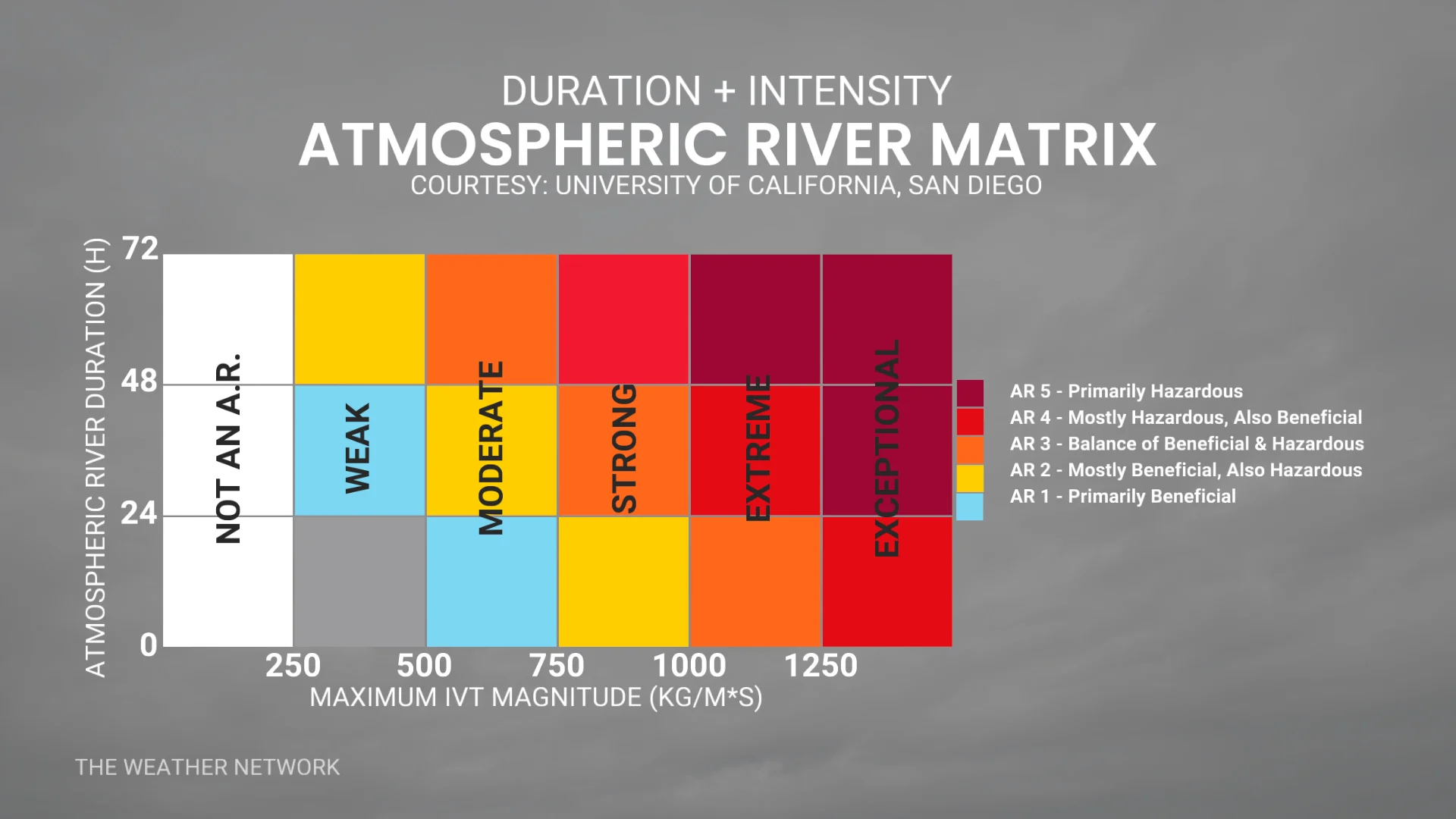
As part of the recent findings, one of the main reasons for the snowfall abundance is the transferring of moisture in the atmosphere, especially through atmospheric rivers, according to the ESA.
Researchers reviewed previous atmospheric rivers that made their way into Antarctica and uncovered a pattern change. The events were more frequent and more intense from 2020, and onwards.
"Helped by strong, westerly winds, more water vapour was transported over certain parts of the continent. Satellite data shows the strongest mass gains were over East Antarctica (specifically Wilkes Land), Queen Maud Land, as well as the Antarctic Peninsula," ESA wrote in the news release.
Ruth Mottram, climate scientist at the Danish Meteorological Institute and a co-author on the study, said the physics of a warmer atmosphere containing more moisture is "well understood."
"It's one of the most famous equations in climate science, the Clausius-Clapeyron relationship. For every degree of temperature increase, you get a seven per cent increase in moisture content in the atmosphere," said Mottram, in the news release.
In practical terms, a warmer atmosphere is capable of transporting higher amounts of water vapour, providing atmospheric rivers with more moisture. But ultimately, it's the atmospheric circulation that determines where that moisture goes, and if it falls as snow.
The increase in snowfall was projected by climate models as a contributor to the mass growth of the Antarctic Ice Sheet, but warmer oceans are also expected to push ice loss from underneath.
The mass increase and the ice sheet loss are happening simultaneously, and the study highlights the factors surrounding the "delicate tipping point," it said.
The examination also outlined that if the floating ice shelves around Antarctica continue to get thinner and break up as a result, the glaciers behind them can accelerate their flow toward the ocean.
“Antarctica is finely balanced right now. Yes, the snowfall increase has pushed the mass budget into positive territory, but the flow of ice into the ocean is also accelerating. A few years with fewer atmospheric rivers could easily tip things back the other way," said Mottram.
Why the mass-sea ice balance matters
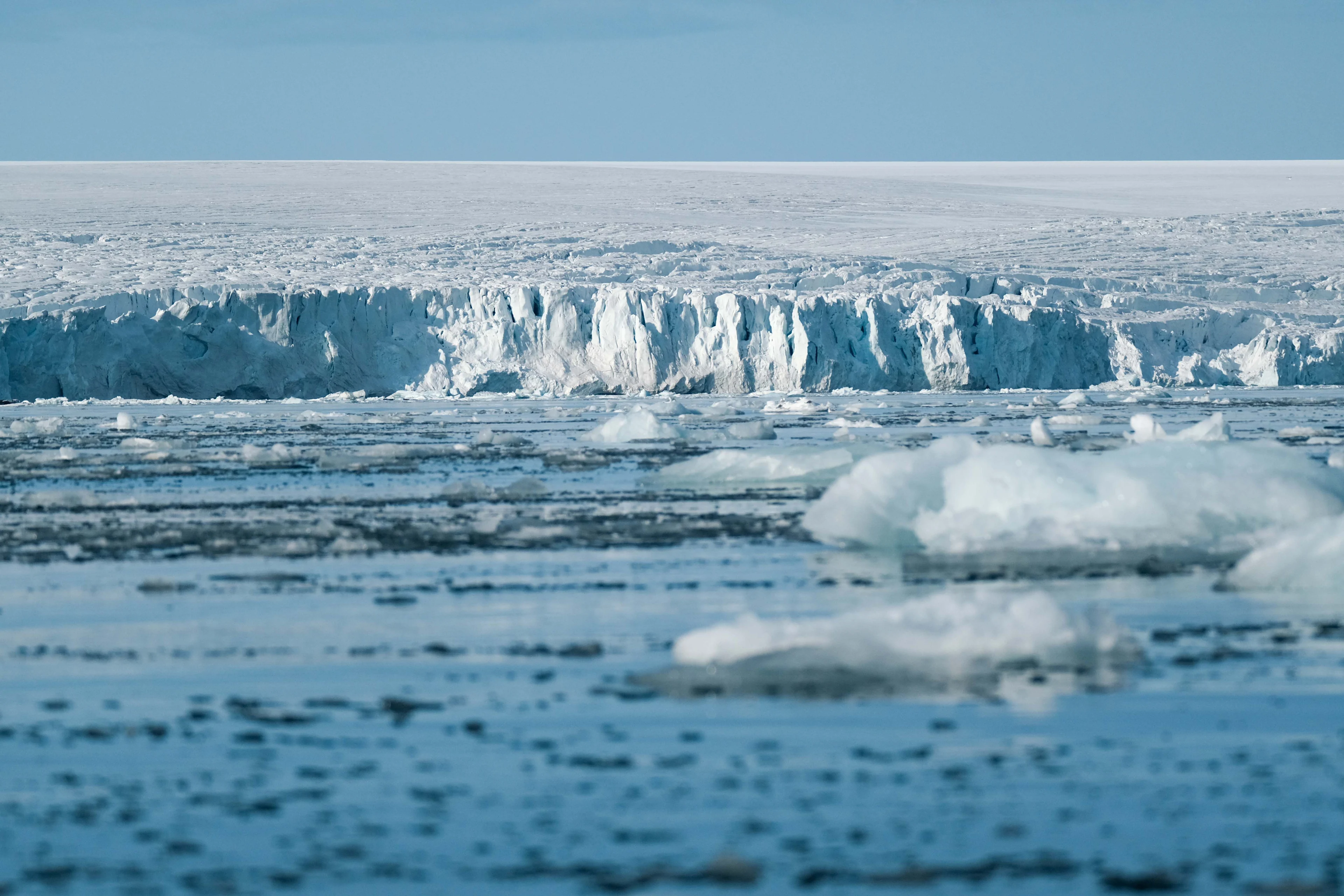
ESA noted that the Antarctic ice sheet holds enough frozen water to raise global sea levels by around 58 metres if it was to entirely melt.
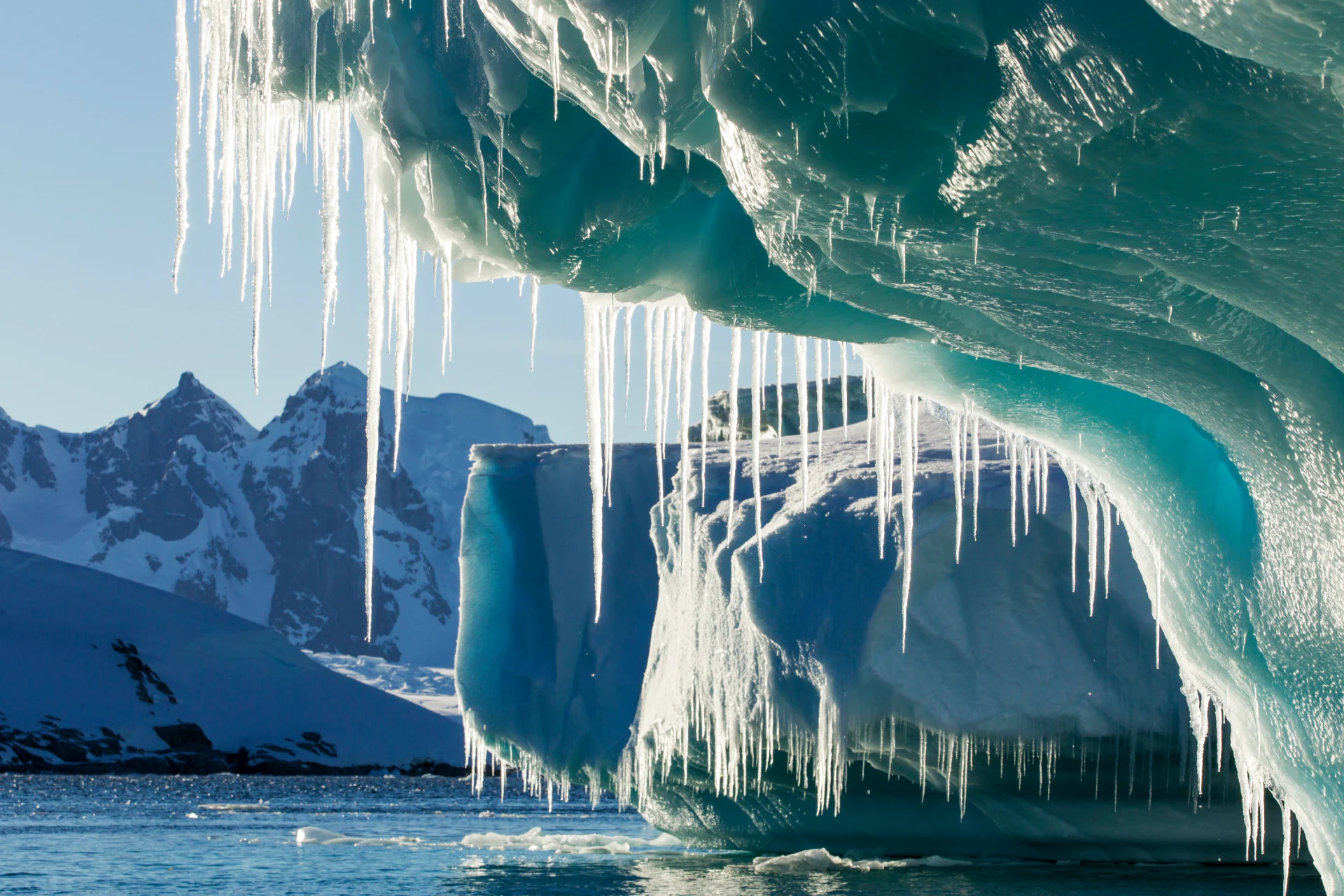
(Paul Souders/Stone/Getty Images)
Because of that, the continent holds the largest, freshwater reservoir on Earth. So, any adjustments in its mass balance has widespread consequences, in terms of future sea level rise and coastlines, ocean circulation and the global climate system.
Scientists were once under the impression that Antarctica would be sluggish to respond to climate change, compared with the Greenland ice sheet. More recent data, however, indicated the Southern Hemisphere ice sheet has much more commonalities with Greenland than previously observed.
The Antarctica ice sheet shows evidence of rising temperatures, more melting and iceberg calving, as well as a drop in sea ice.
As recent as late 2025, researchers don't have a clear indication of Antarctica returning to a net-mass loss. Whether that trend will stay put or level off also remains uncertain, depending on changes in the dynamical discharge.
WATCH: Exhibit shows shocking photos of penguins in a warming Antarctica
With files from Tyler Hamilton, a meteorologist at The Weather Network.
Thumbnail courtesy of Kel Elkins/NASA.
