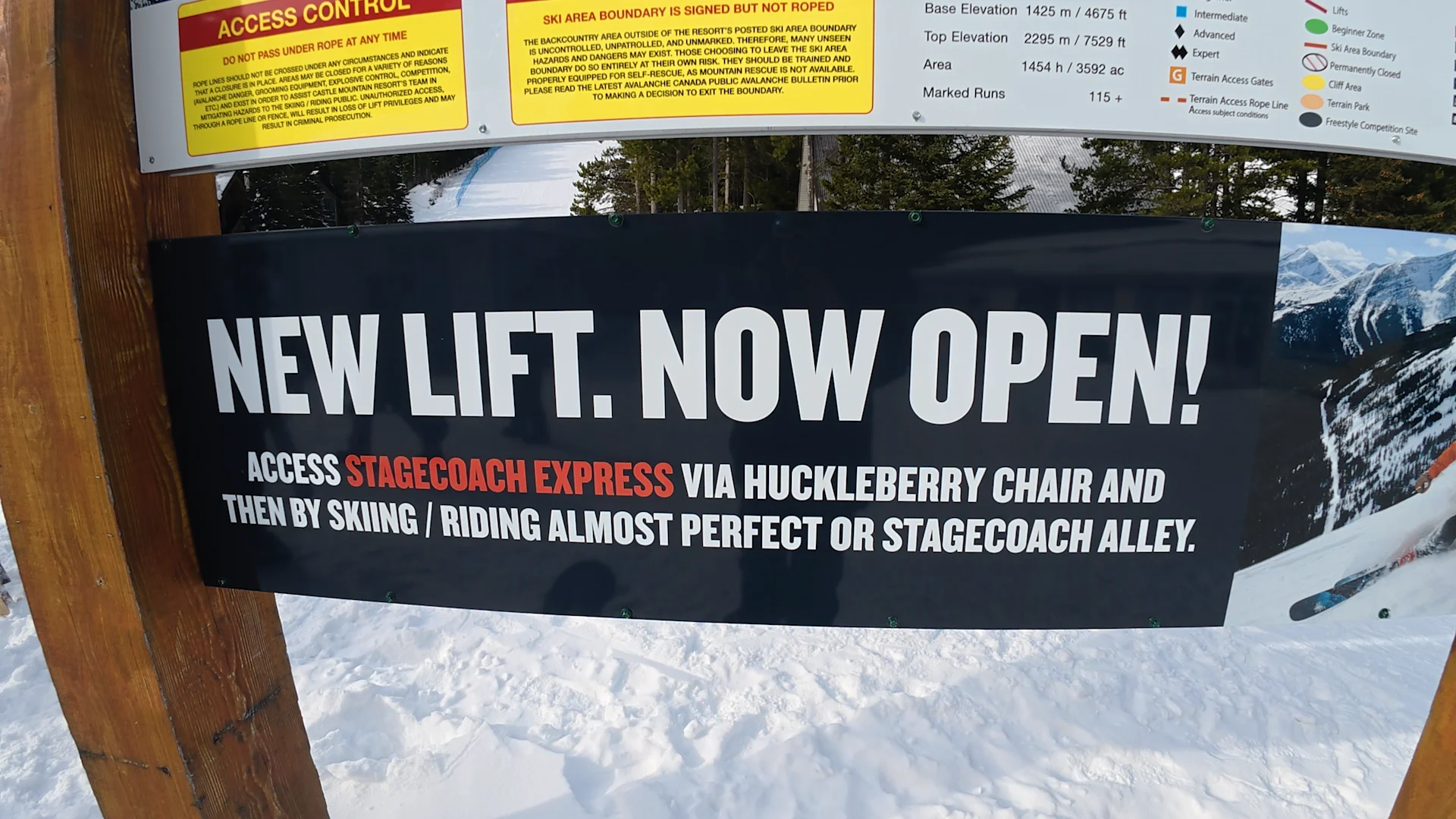
How iconic Alberta weather helped build Canada’s newest chairlift

Discover Castle Mountain Resort, a hidden gem in the Alberta Rockies. The Weather Network learns about its brand new, high-speed chairlift, the Stagecoach Express, which opens up more than 20 new trails and terrain previously only accessible by cat skiing
Your ride on the stagecoach just got faster. Five metres per second, to be exact.
That’s the official speed of the Stagecoach Express, the new, quad-seat chairlift now spinning at Alberta’s Castle Mountain Resort.
Its opening signals a new era on the mountain, with the lift replacing the resort’s 30-year-old Powder Stagecoach cat skiing operation. And, naturally, the weather played a role in its construction, as well.
“We’re well-known in southwest Alberta for having wind,” explains Cole Fawcett, Castle Mountain Resort sales and marketing manager.
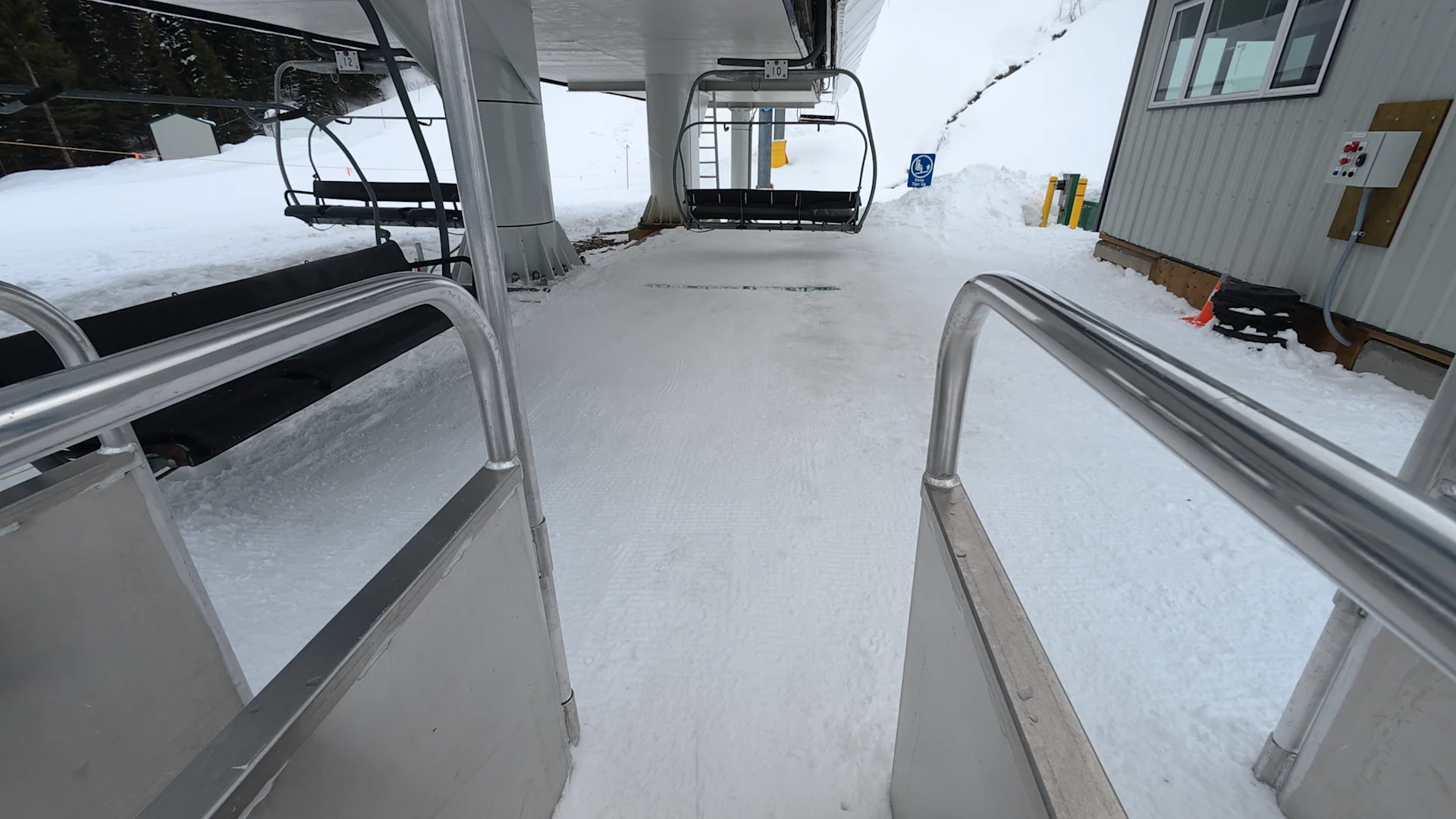
The Stagecoach Express chairlift is actually starting a second life at Castle resort after being purchased from Sunshine Village, where it ferried skiers and boarders up Lookout Mountain for years. The lift was deconstructed and shipped by truck to its new southern Alberta home. (Connor O'Donovan/The Weather Network)
“We get what’s called Mother Nature’s grooming, or what the locals call 'wind-sift.' Snow is sifting through the runs, filling in tracks from the day before. On a moderately windy day here with no new snow, it can feel like a powder day.”
The Stagecoach Express is the first high-speed chair at Castle Mountain Resort in the destination’s 60-year history.
It increases lift-accessible terrain by more than 25 per cent, adding several-hundred powdery acres of bowls, glades and gullies. It can carry more than 2,000 skiers an hour into that terrain, which in the cat skiing era, could only be accessed by a couple-dozen people a day.
While the trade does mean more skiers in that part of the resort, Fawcett says the new lift’s unique location and the region’s unique weather patterns still make for a reliable Stagecoach-skiing experience.
“It’s also in an elevation sweet spot. The base of this lift is about 150 metres above our village, and the top is about 150 metres below the top of our highest lift,” says Fawcett, who notes that the infamous winds of southern Alberta can also blow so strong that lifts need to be shut down.
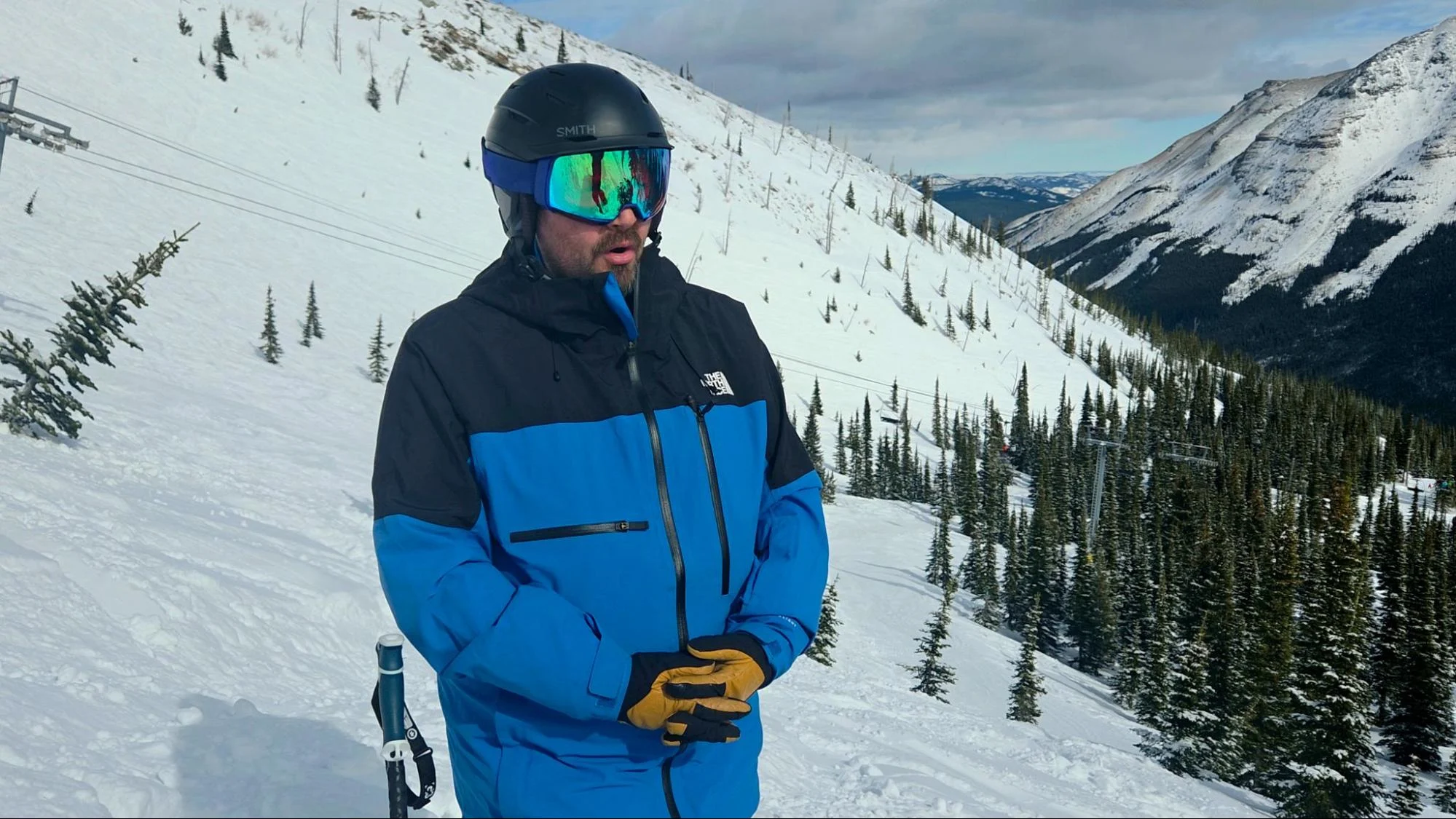
Castle Mountain’s Cole Fawcett says the resort has seen a noticeable uptick in visitation through the first few weeks of operation of the new lift. He notes though that, despite the popularity, the increase in capacity means lift lines at Castle Mountain remain relatively short compared to those at other resorts in the Rockies. (Connor O'Donovan/The Weather Network)
“So it’s less prone to early- and late-season warmer weather events with mixed precipitation. It’s also less prone to the extreme high winds, which we know in southwestern Alberta are a thing.”
While Castle Mountain Resort is set to close for the ski season on April 5, operators are excited to see what kind of impact the new lift has in its first full season when next winter rolls around.
And the resort isn’t done with growth plans, either.
Fawcett says resort operators have plans to modernize other lifts at the resort, many of which have been in operation for decades.
Castle Mountain Resort, along with Fortress Mountain and Nakiska ski areas, was recently designated an “all-season resort” by the Alberta government. This means that should they pursue the idea of developing year-round amenities and attractions, they’ll face a more streamlined regulatory process.
While nothing is set in stone, Castle Mountain Resort is in the process of developing a new master plan.
The Stagecoach Express chairlift. (Connor O'Donovan/The Weather Network)
“Legislation in Alberta has largely prohibited meaningful summer operations for Crown land-based resorts for eons, so we’re happy to see the government taking steps to rectify that situation,” Fawcett says.
“Currently, there aren’t a lot of revenue-generating opportunities here in the summer, and that is a drag on the business.”
Fawcett says growth opportunities could include lift-accessed hiking, dining or event facilities, or even mountain biking.
But if you personally still see Castle Mountain as a hidden gem, and the idea of growth triggers visions of overflowing parking lots and wall-to-wall tourists, Fawcett has some calming words:
“We’re not concerned about becoming the next Whistler or Banff. We want to grow sustainably within our means,” he says. “That means adding a few-thousand people per year, not tens of thousands of people per year."